
Abbadia, a castle beyond imagination...

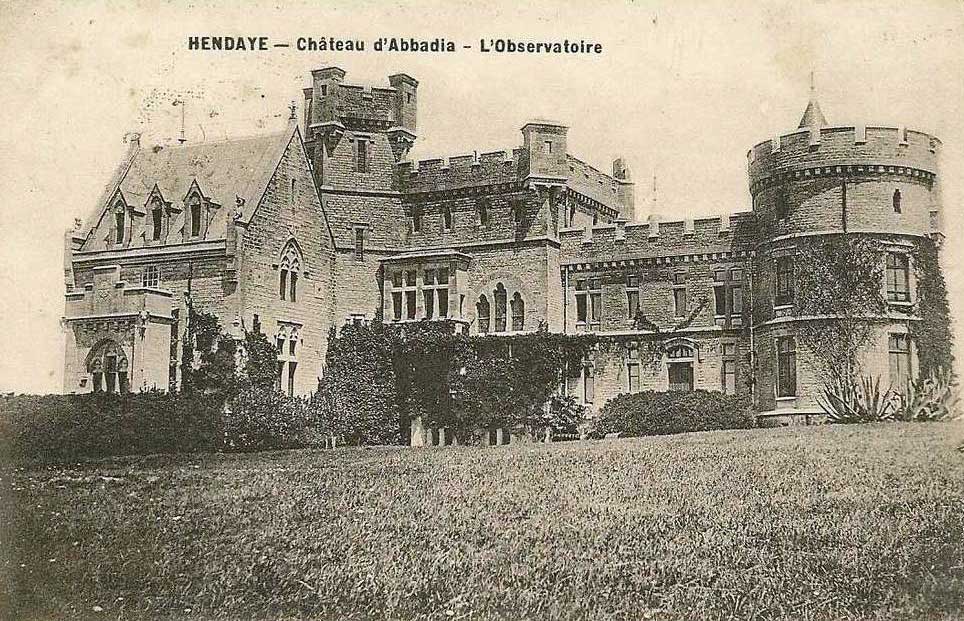
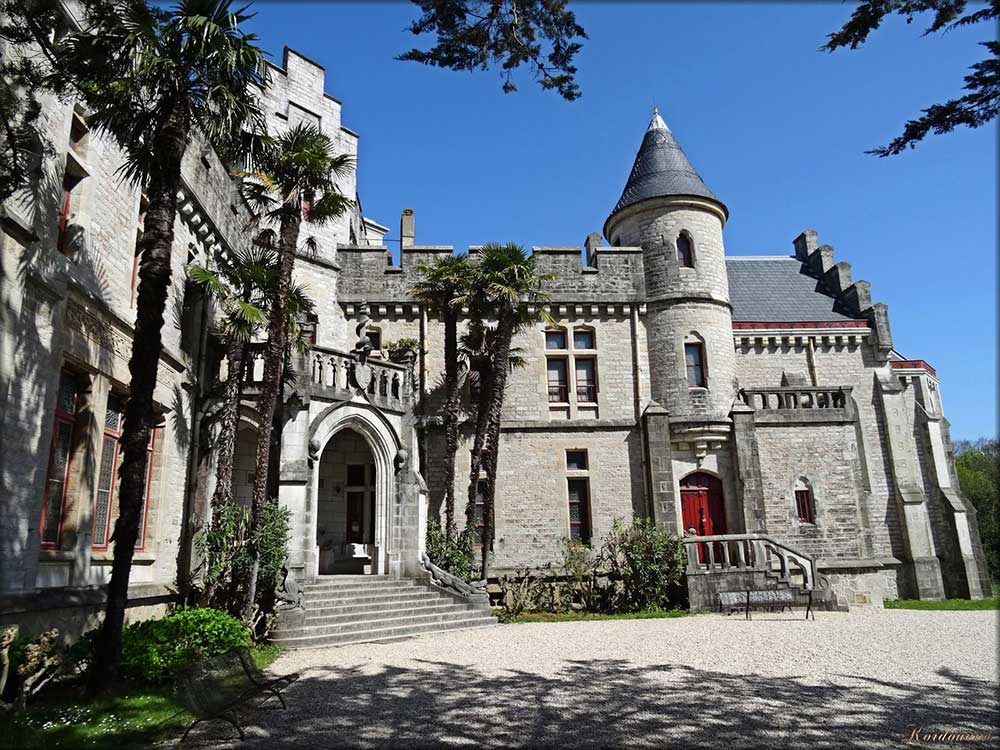
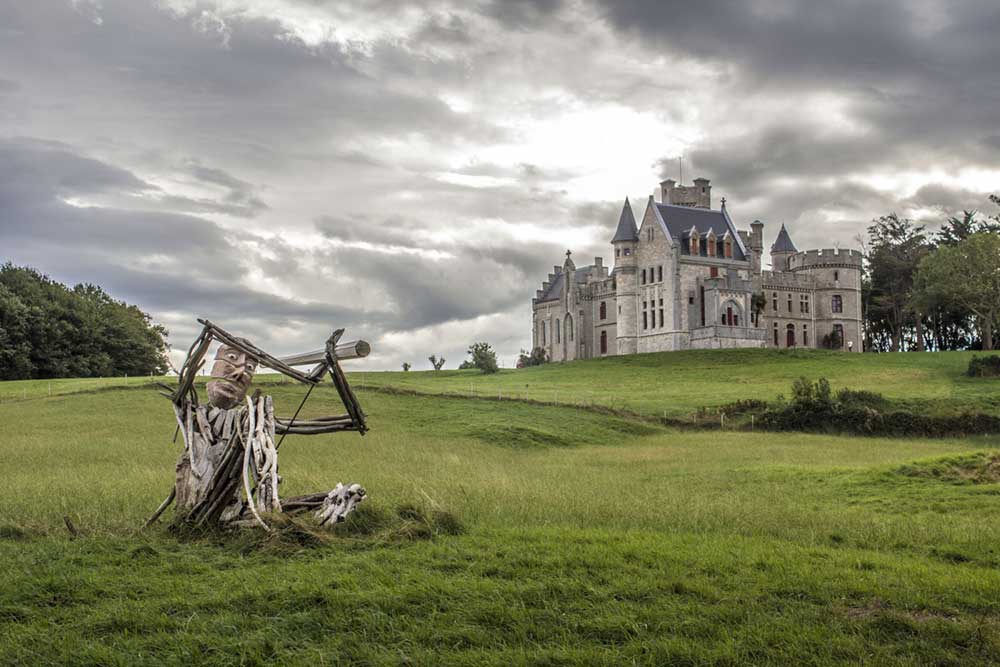
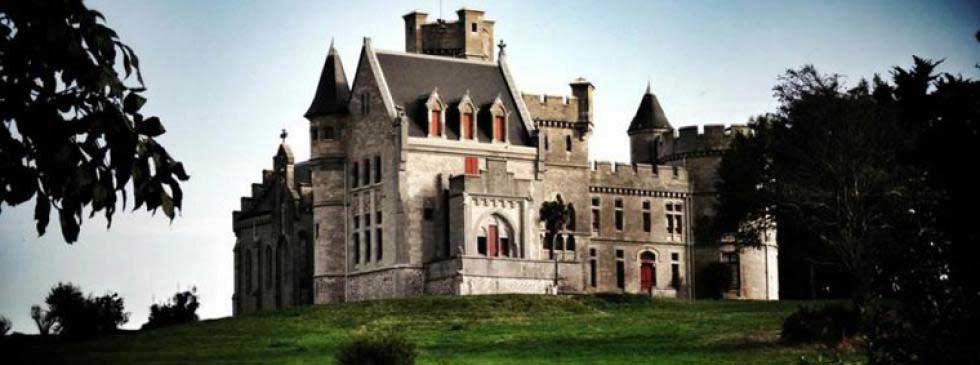
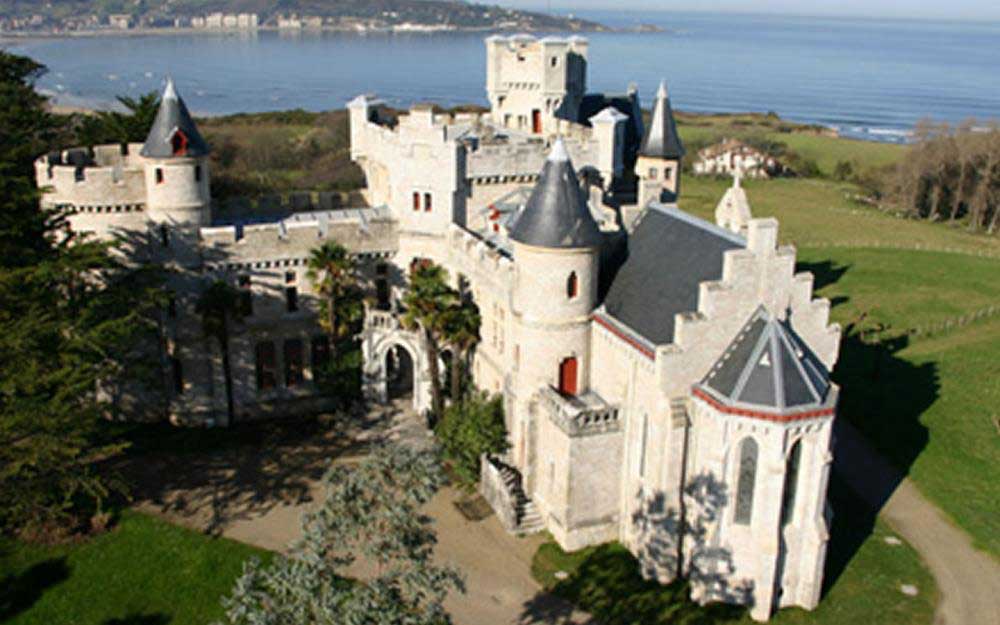
Facing the ocean, the Château Observatoire Abbadia was built by Eugène Viollet-le-Duc between 1864 and 1879 for Antoine d'Abbadie, ethnologist, geographer, man of science?
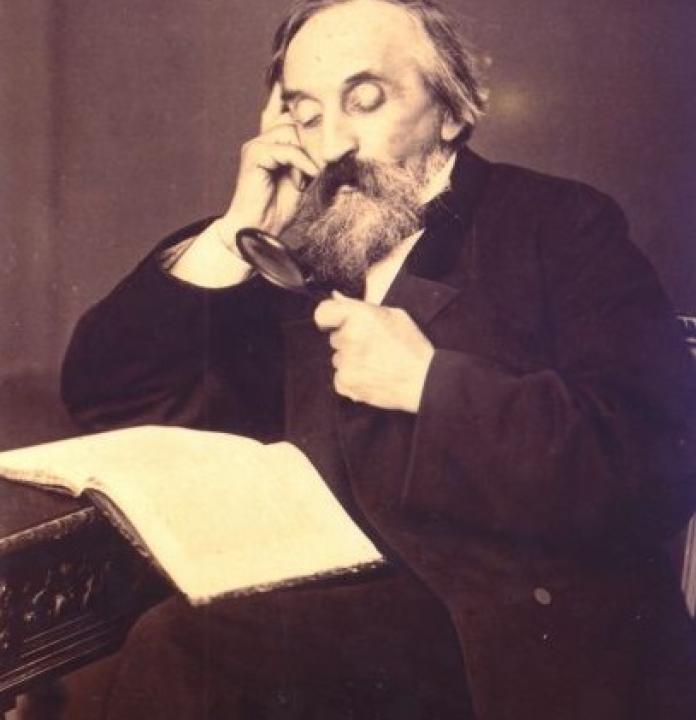
Antoine d'Abbadie (1810-1897), an outstanding scholar with a passion for geography, astronomy and oriental culture, produced the first cartography of Ethiopia.


Strongly attached to the Basque Country, he became an ardent defender of its language and culture.

In 1836, he published Etudes Grammaticales sur la Langue Euskarienne (Grammatical Studies on the Basque Language) with Augustin Chaho, before creating the Basque festivals in Urrugne a few years later. His commitment to the Basque people was such that, upon his death, he was given the name “Euskaldunen Aïta.”
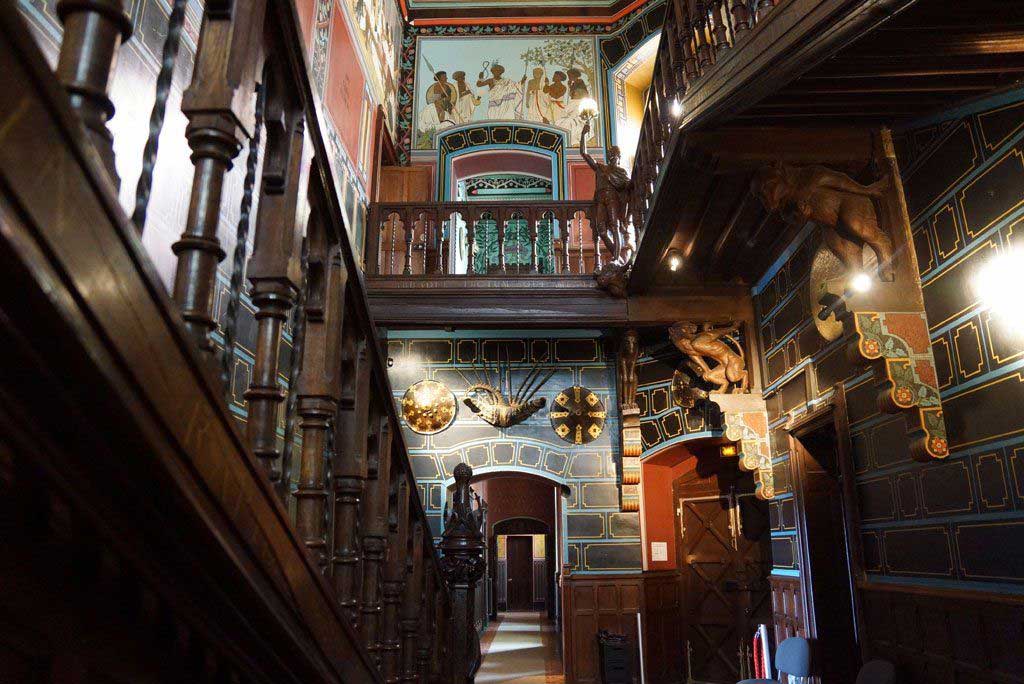
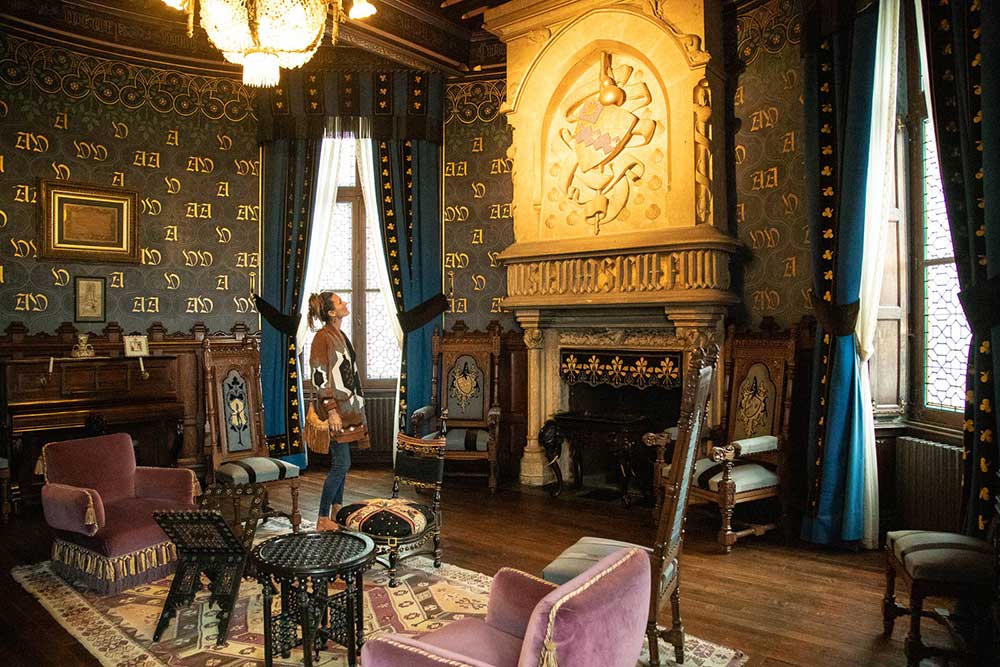
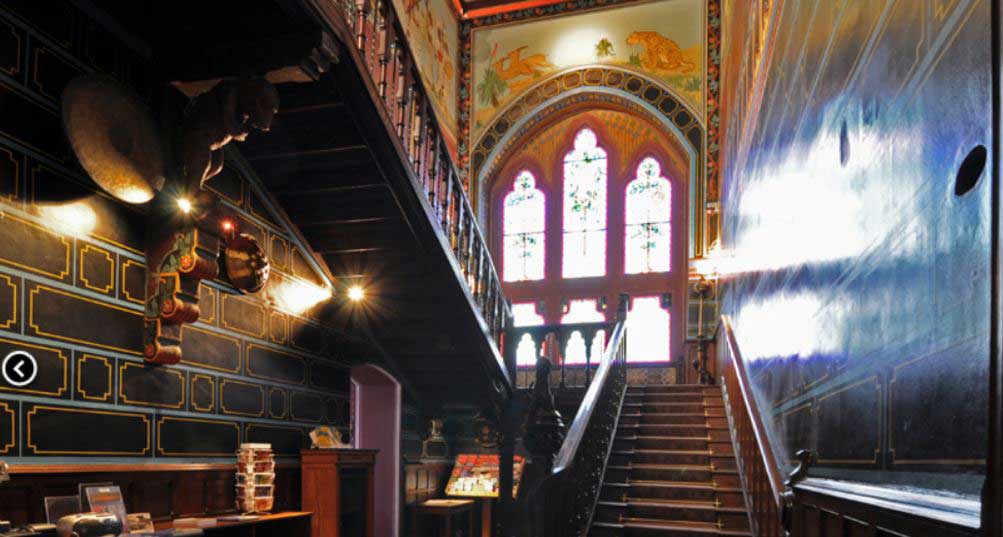
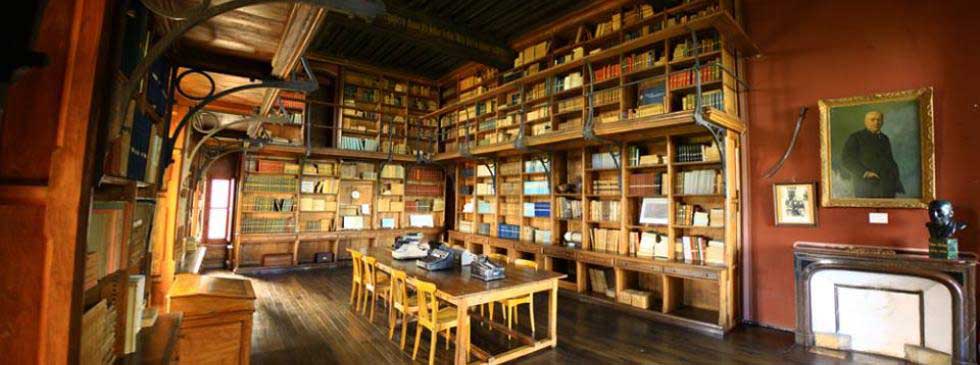
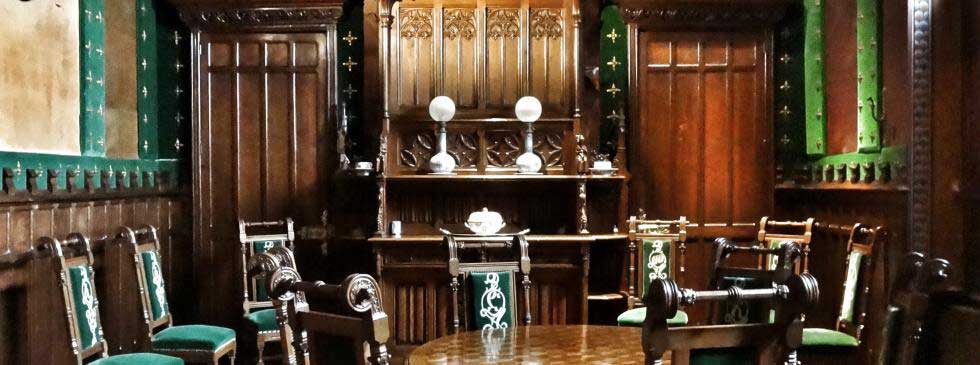
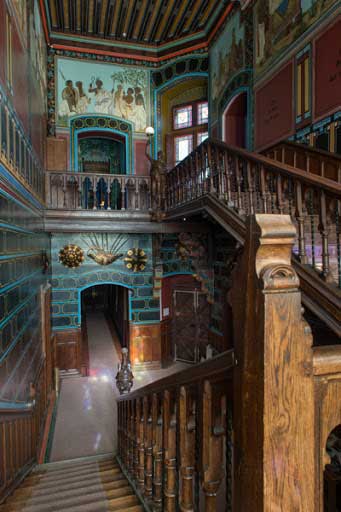
Of neo-gothic architecture, the building is inspired by medieval castle models and bears the mark of its owner's orientalist passion with a decoration inspired by the scientist's many travels, frescoes with African symbols... as well as mottos in fourteen different languages on the walls.
Property of the Academy of Sciences to which Antoine d'Abbadie had bequeathed it in 1895, with the condition that the observatory be run by a priest.
The castle, which is neo-gothic on the outside, consists of three main parts: the library and the observatory, the chapel where Antoine d'Abbadie is buried, and finally, the dwelling .
It is classified as a historical monument on December 21st, 1984.


Abbadia Observatory Castle
Route de la Corniche

64700 Hendaye
Phone : 05.59.20.04.51


www.chateau-abbadia.fr


chateau-abbadia@hendaye.com


Translated with www.DeepL.com/Translator

(free version)


To go further....

Abbadia: Le monument idéal d'Antoine d'Abbadie

Perché sur ses falaises verdoyantes et semblant guetter l’océan, le château d’Abbadia a toujours fasciné par sa silhouette atypique et les secrets qu’il semble dissimuler. Modèle éloquent de la vogue éclectique du Second Empire, il surprend par l’association de sources d’inspiration tantôt conformistes tantôt singulières, où s’entremêlent les charmes de l’Orient, la rêverie du Moyen Age, l’esprit scientifique, une pratique austère du catholicisme et une passion intense pour l’Ethiopie. Cette oeuvre d’art à l’aune du délire esthétique est due à l’implication quasiment viscérale de ses commanditaires, l’explorateur savant Antoine d’Abbadie et son épouse Virginie. Elle doit également beaucoup à la mise en oeuvre de ce projet architectural et décoratif extraordinaire par le «Maître» emblématique du mouvement néogothique, Eugène-E Viollet-le-Duc, son fidèle disciple fasciné par l’Orient méditerranéen, Edmond Duthoit, mais aussi au paysagiste héritier du jardin anglais et promoteur du parc paysager, Eugène Bühler, et à une kyrielle d’artistes illustres et de manufactures modernes. Cet ouvrage invite à la découverte de ce patrimoine exceptionnel et de l’histoire hors-du-commun de ses initiateurs.
Abbadia / Un rébus Géant

Also to be seen in the department

Payote, the "Made in France" espadrille that smells good, donned by the Elysée Palace and the Louvre

placeMauléon - Pyrénées-atlantiques 
label Made in Grand Sud Amazing... isn't it?  
Le Château de Gramont

The Château de Gramont, a castle with a false Scottish air...

placeBidache – Pyrénées-Atlantiques 
label Castles & Monuments Remarkable buildings  
Le Train d’Artouste

In Artouste, the highest train in Europe

placeArtouste – Pyrénées-Atlantiques 
label Station, train, boat, plane... Records: The +'s and -'s  

Lohobiague-enea ou la maison de Louis XIV

placeSaint-Jean de Luz – Pyrénées-atlantiques 
label Remarkable buildings  

Discover the regions of the Great South