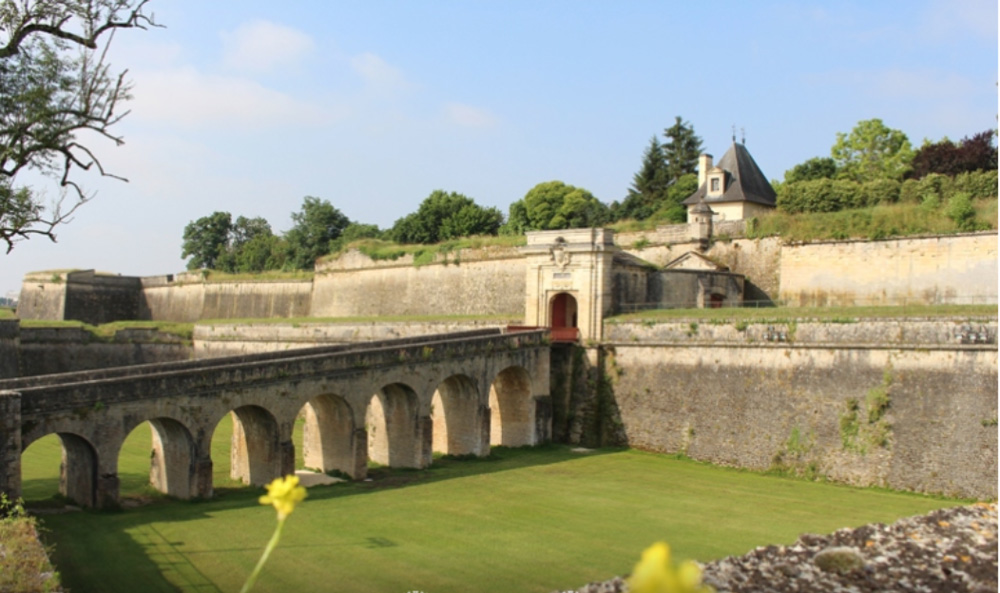

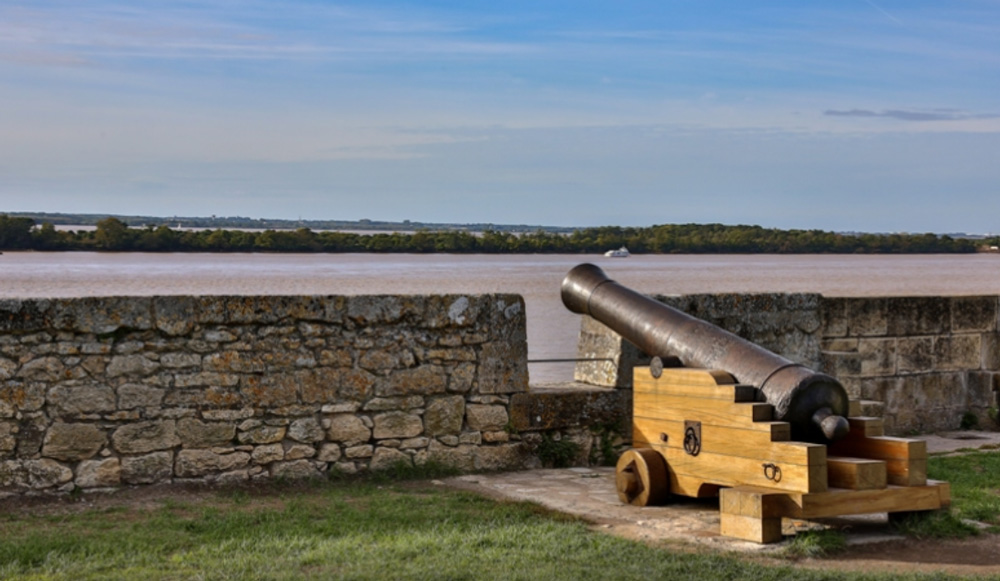
The citadel of Blaye, member of the Network of Major Vauban Sites, listed as a UNESCO World Heritage Site with the Vauban lock, is a very imposing and superb ensemble.
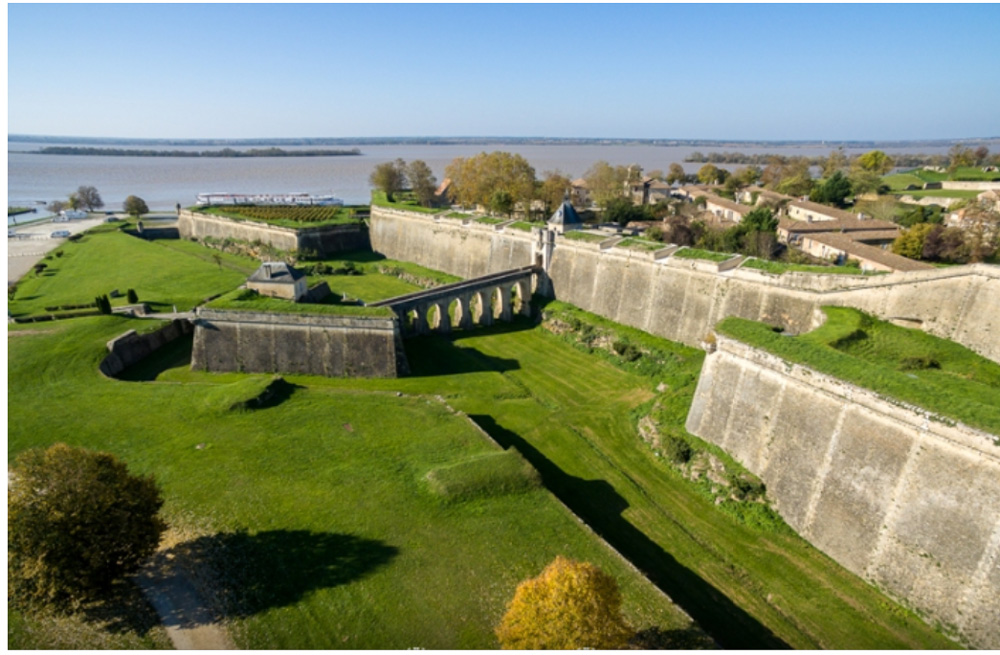
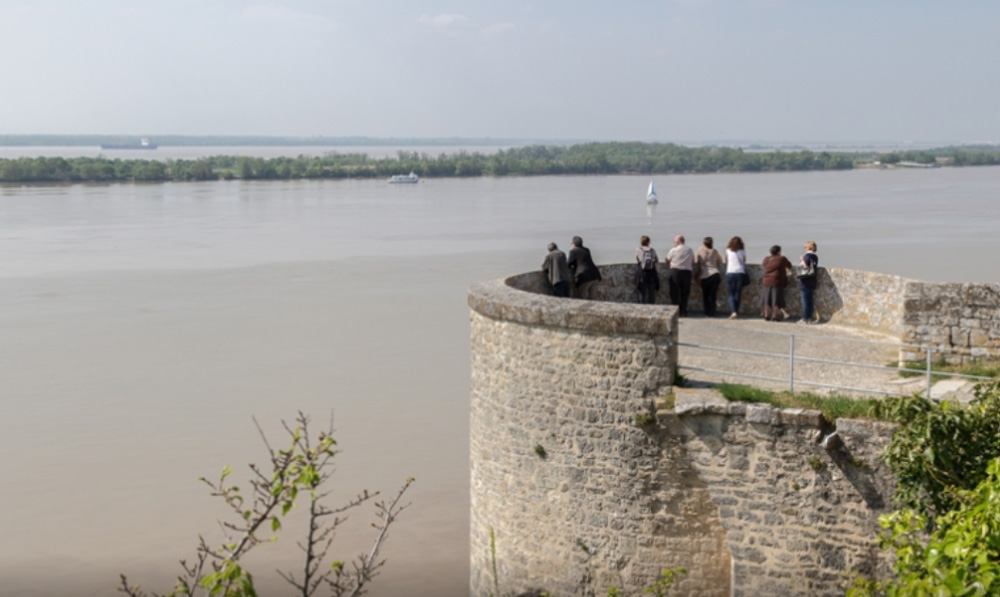
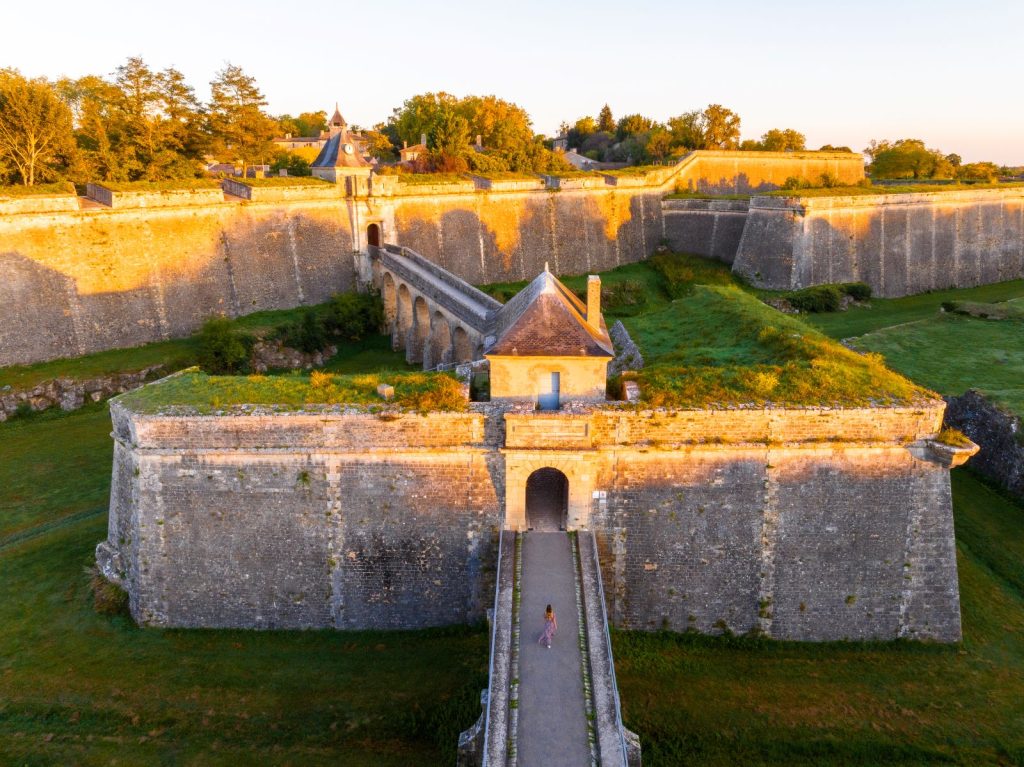
Built by Vauban, the architect of Louis XIV in 1689, the Citadelle de Blaye dominates the Gironde estuary and today offers a superb example of Vauban's work, with its defence system of half-moons and classical bastions.
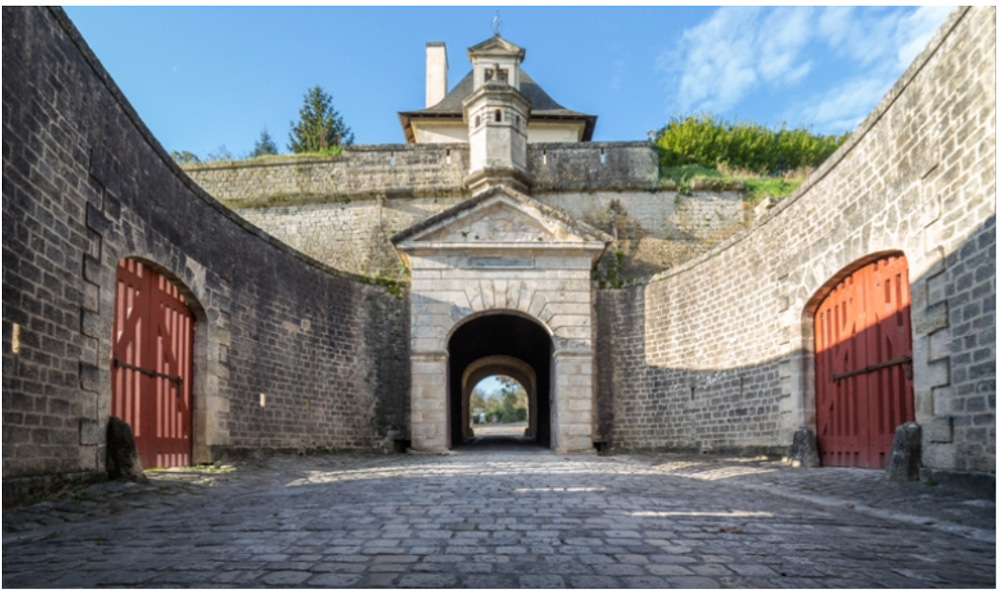
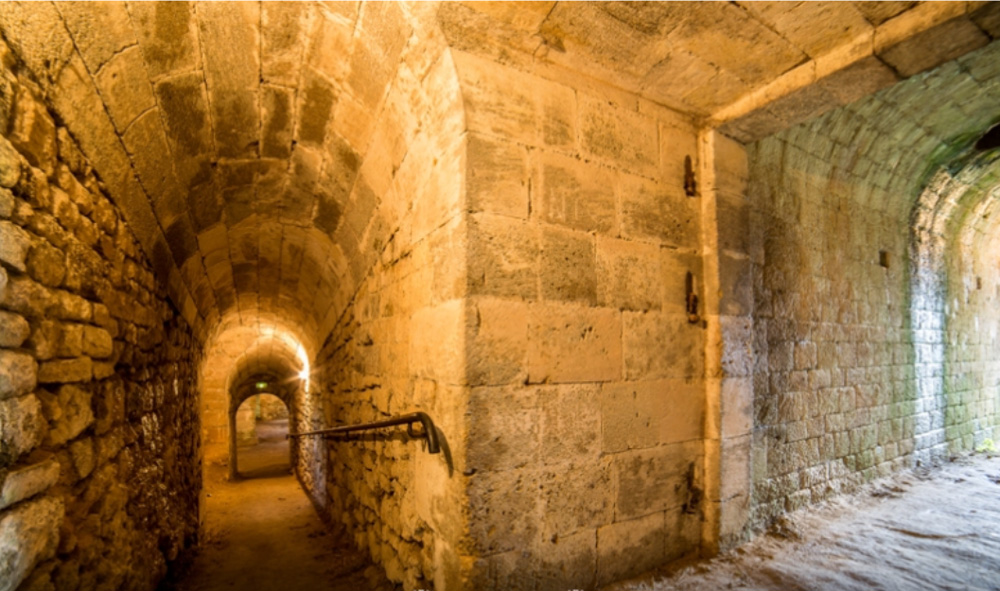
The Citadel preserves intact the defence system put in place by Vauban with its ramparts, gates and underground passages as well as the buildings housing a garrison, former convent, prison, barracks, powder magazine...
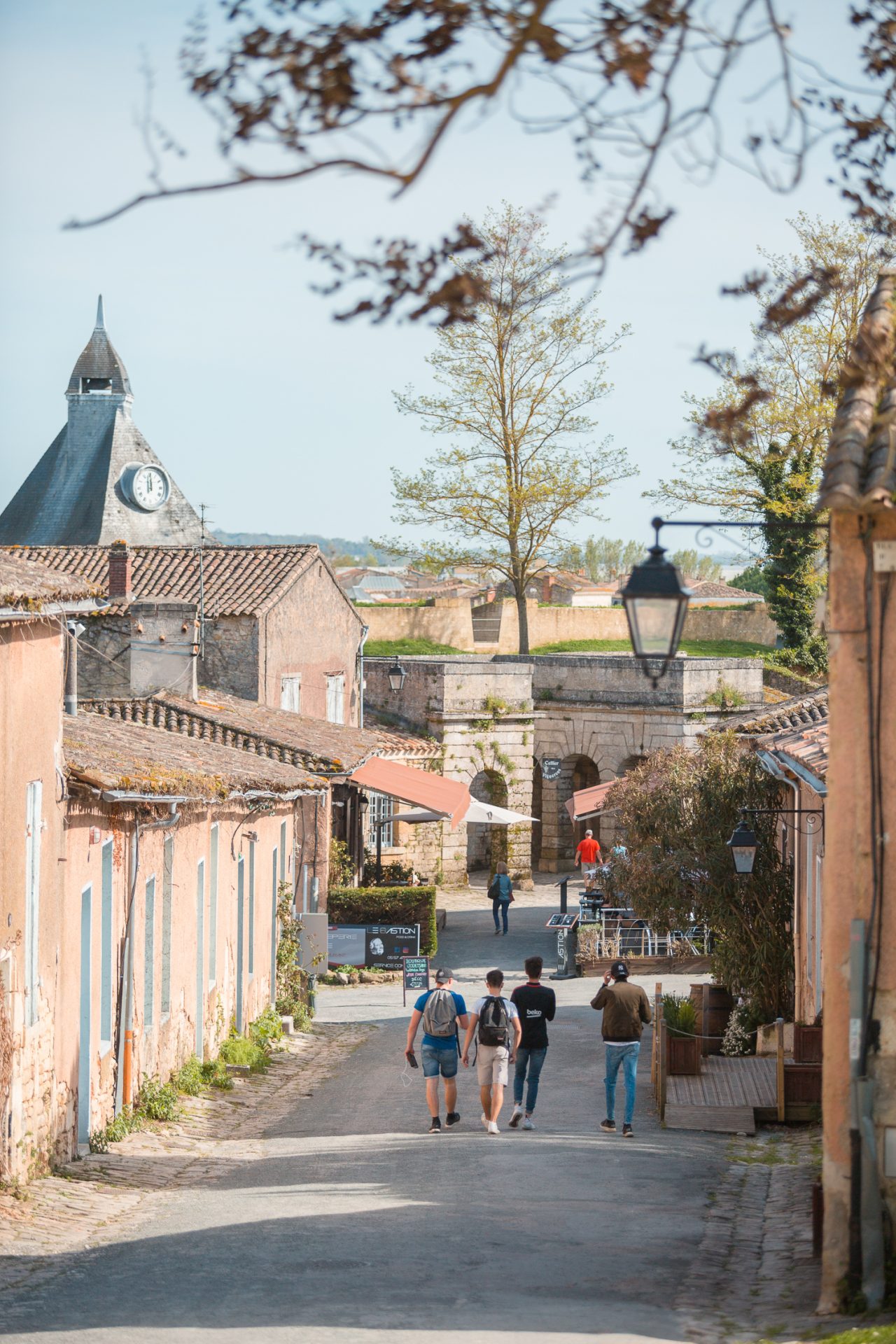
Today, this former military town is home to shops, restaurants and artists' exhibitions, thus perpetuating the site's ancient charm.
Visitors can stroll around to discover the underground passages, towers and medieval remains.
They can also visit the Estuary Conservatory and the Archaeology Museum, located in the former Citadel prison. The convent and the powder magazine are also open to curious eyes during temporary exhibitions or events. To close the Estuary and be able to cover its entire width with cannon fire, Vauban also had two other forts built.
Fort Paté, on the island of the same name, is located in the centre of the Estuary and can cover both sides of the island with its cannon fire.
Fort Médoc, on the opposite bank, completes to lock the passage to possible enemy boats. The Citadel and the two forts have been listed on the UNESCO World Heritage List as Vauban Major Sites since 2008.
The Blaye Museum of Archaeology and History
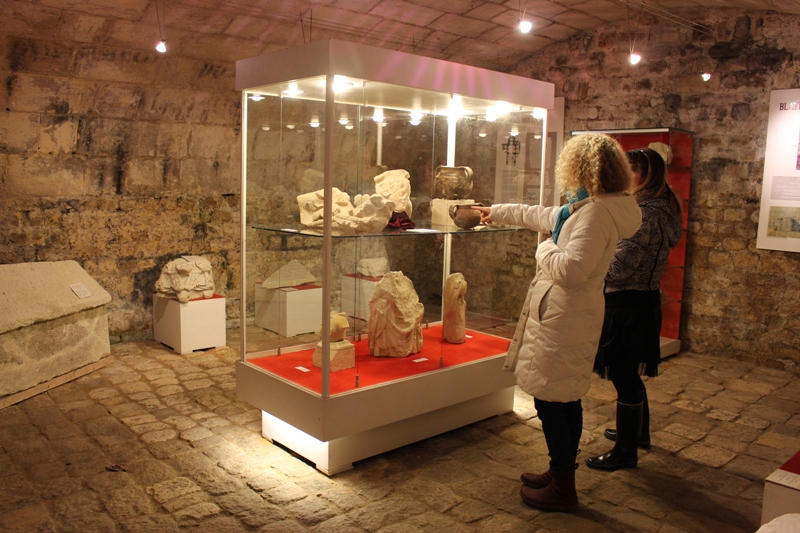
Located in the former civil and military prison, which was converted into a bakery in the late 19th century, the Blaye Museum of Archaeology and History showcases the many remnants of its past. Today, it houses the Blaye Museum of Archaeology and History, which allows visitors to explore the building’s storied history through its dungeons and bakeries.
The citadel’s 7,000-year history is illustrated by archaeological artifacts discovered in Vauban’s citadel and the former Saint Romain Abbey, a model of the medieval castle, various plans showing the fortress’s evolution, and collections related to daily life and baking.
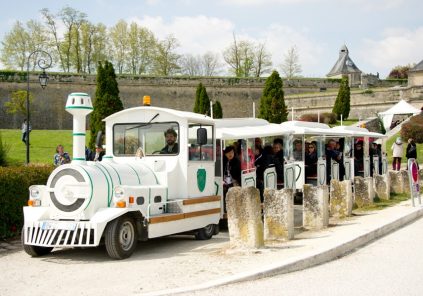
A small train offers a guided tour to explore the history and heritage, taking you to discover Blaye and its UNESCO-listed citadel, Plassac and its Gallo-Roman villas, the Blaye Côtes de Bordeaux vineyards, and the Gironde estuary
Daily at 11:00 a.m. (40-minute tour of the citadel except Wednesdays and Saturdays), 2:15 p.m., 3:45 p.m., and 5:15 p.m. in August. Please note the departure times! The 2:15 p.m. departure can be combined with a visit to the Gallo-Roman villas of Plassac.
The Tourist Office offers guided tours for school groups and adult groups year-round by reservation. It also offers guided tours of the citadel via the underground passages for individuals year-round.
Blaye Tourist Office
Rue des Minimes,
The Citadel
33390 Blaye
Tel: 05 57 42 12 09
https://www.bbte.fr/destination/blaye/la-citadelle-de-blaye/