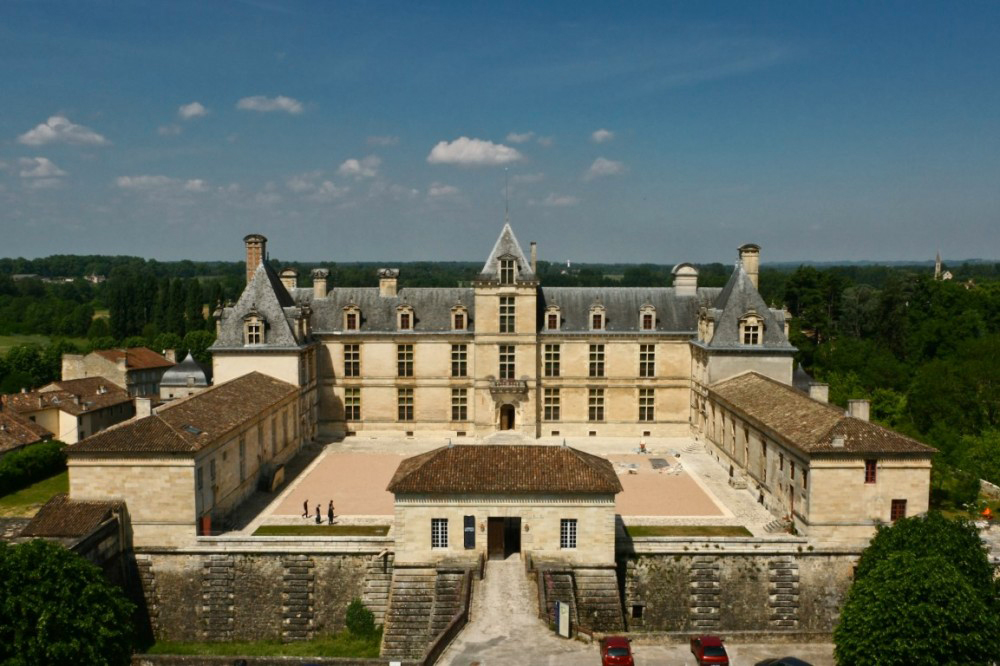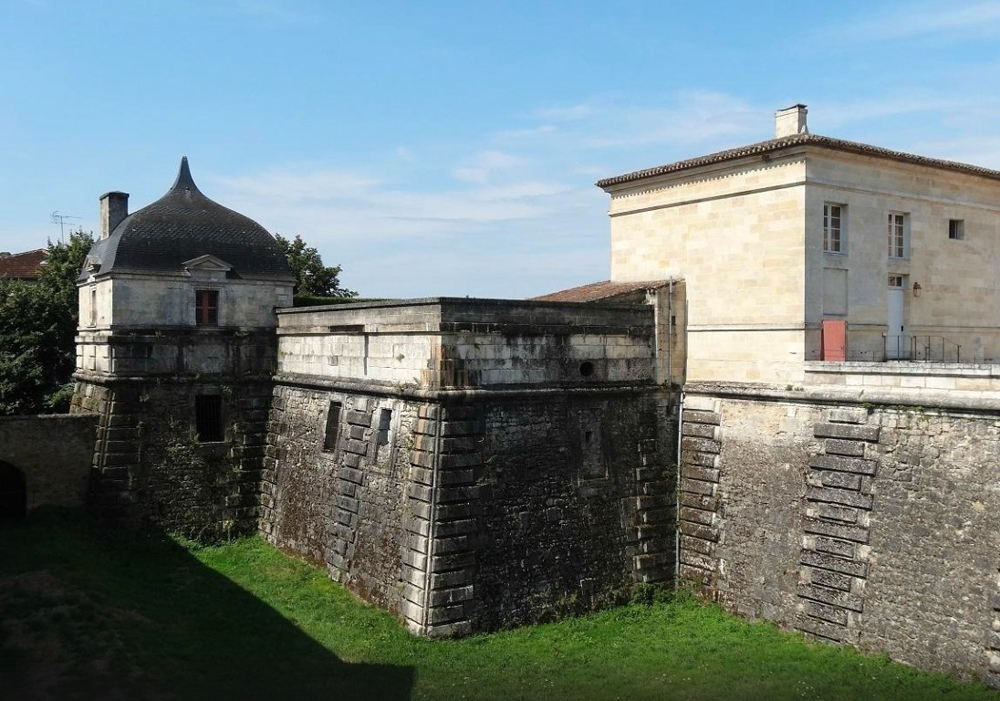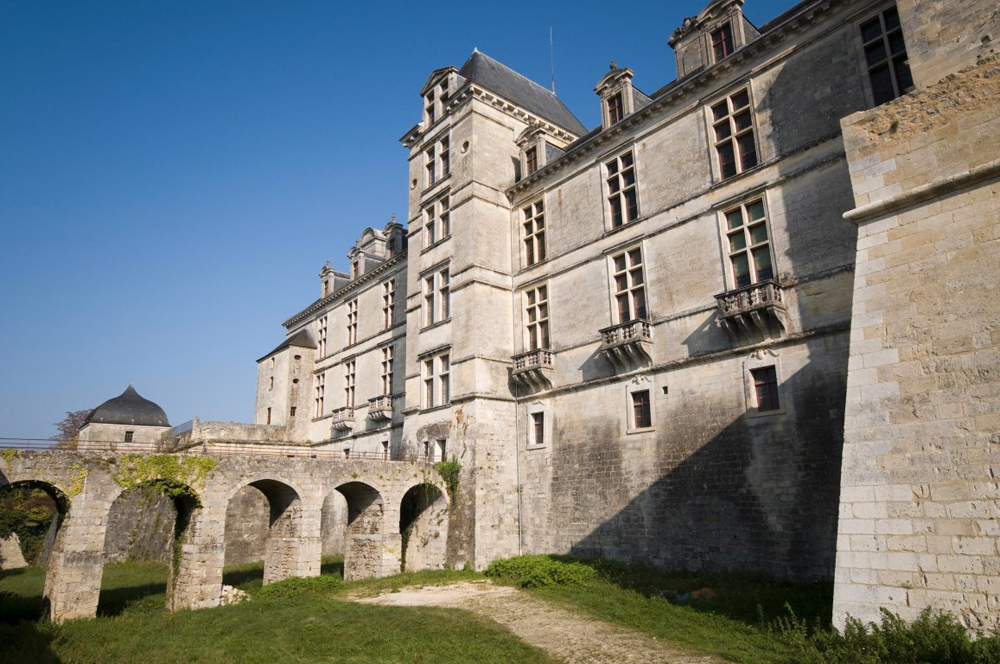


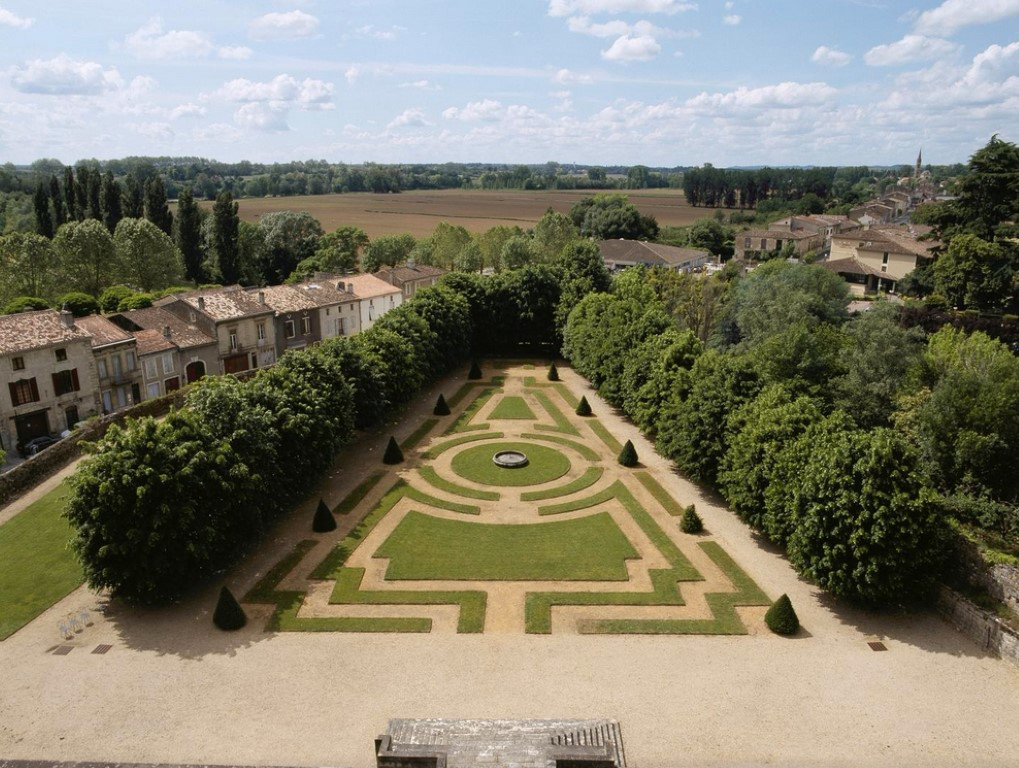
The Château de Cadillac, located in Gironde, was built at the request of a “Cadet de Gascogne,” Jean-Louis de Nogaret de la Valette, Duke of Eperon (1554–1642), one of Henry III’s favorites.
To build the château, part of the old town had to be razed.
The construction and interior design cost the Duke of Eperon a considerable sum.
The first phase of construction began in 1598, and the final phase took place from 1626 to 1634.
A few years later, in 1661, the castle was abandoned and dismantled due to a lack of funds for its upkeep, and the stones were sold.
Seized during the French Revolution, it served as a prison in the 19th century, then as a reform school for young women starting in 1880.
On June 1, 1891, the castle received its first group of “delinquent” girls, minors aged 9 to 15!
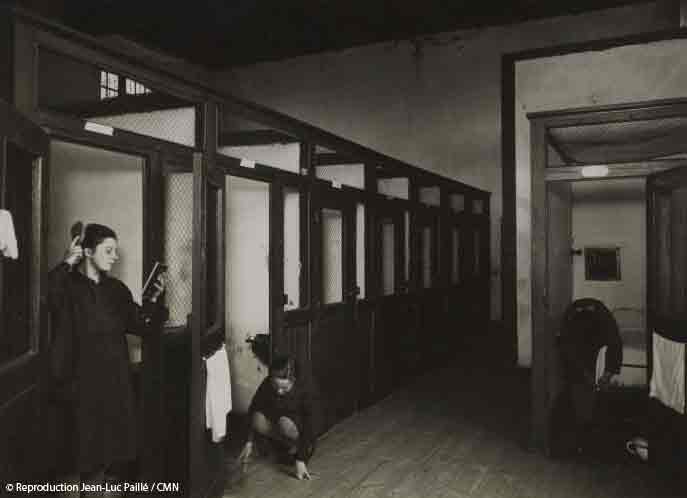
It was thus in 1905 that the castle became the “School for the Preservation of Young Girls,” whose repressive regime was all the more terrible because this time it involved children and teenagers. This institution operated for over sixty years and did not close until September 10, 1952, following a fire.
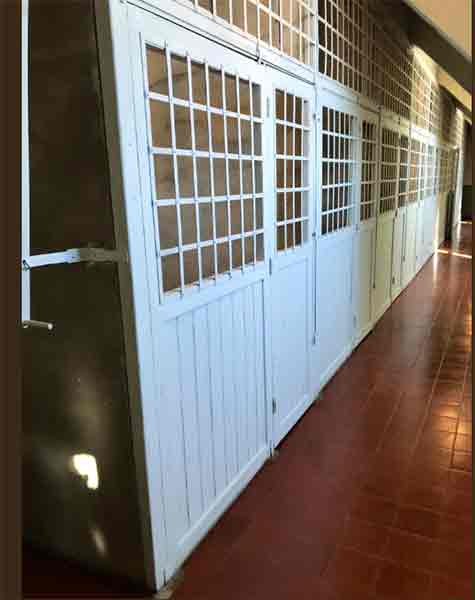
Up to 500 inmates were crammed into small “chicken coops” measuring 1.5 meters by 2 meters. Living conditions at the castle were appalling: the inmates were forced to perform 12 to 13 hours of hard labor each day. Disease, malnutrition, and the cold claimed many victims.
The Castle Today
In 1954, the Château de Cadillac was transferred to the Ministry of Culture and Communication and opened to the public by the Center for Historic Monuments.
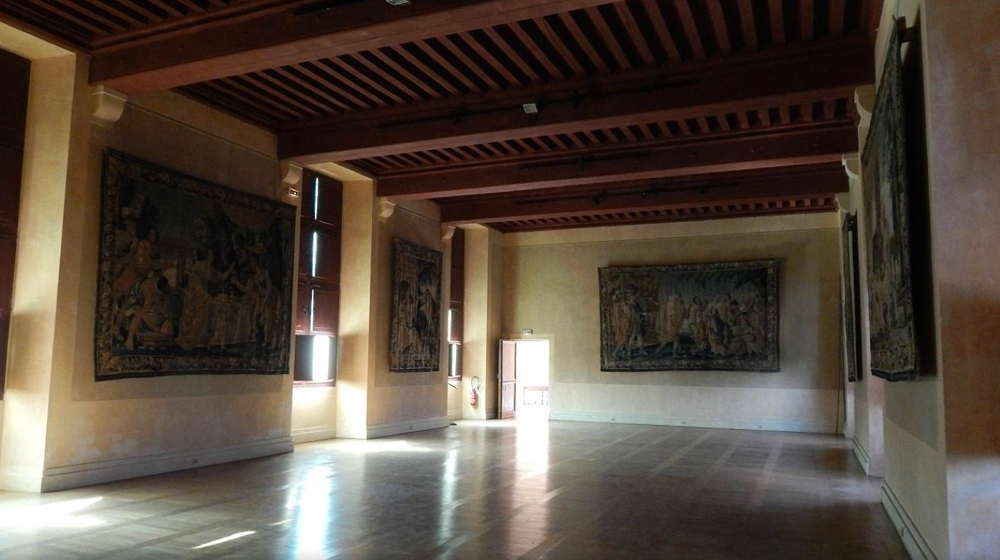
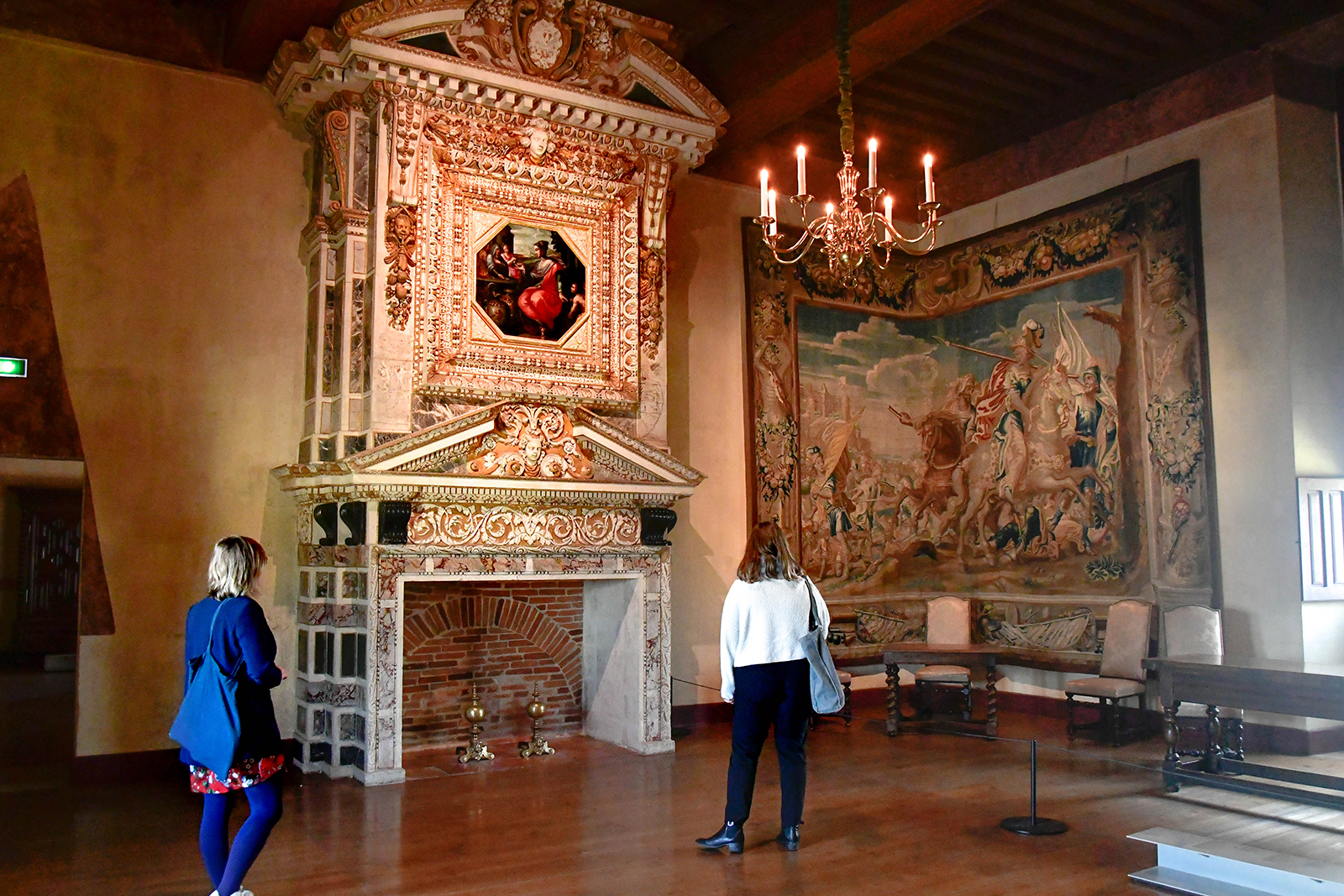
It has been restored, and its interior furnishings now offer a glimpse of its former splendor—paneling and painted ceilings, sumptuous monumental fireplaces of marble and carved stone—while allowing visitors to imagine the women and young girls who found themselves here in terrible conditions, some even dying as a result.
From its former splendor, the Ducal Castle of Cadillac retains rich decorations: its monumental “French-style” fireplaces, adorned with statues, marble plaques, carved stone, and gilded with gold leaf, are the work of a sculptor who also served at Fontainebleau and Chantilly. They have stood the test of time and form the basis of this monument’s renown, which is attributed to several architects, including Pierre Souffron and, likely, Jacques Androuet du Cerceau Jr.
Château de Cadillac
4 Place de la Libération
33410 Cadillac
Tel.: 05 56 62 69 5 and 05 56 62 60 73
http://www.chateau-cadillac.fr/