


Fifty kilometers from Carcassonne, Villerouge-Termenès is the Mediterranean gateway to the Hautes Corbières.
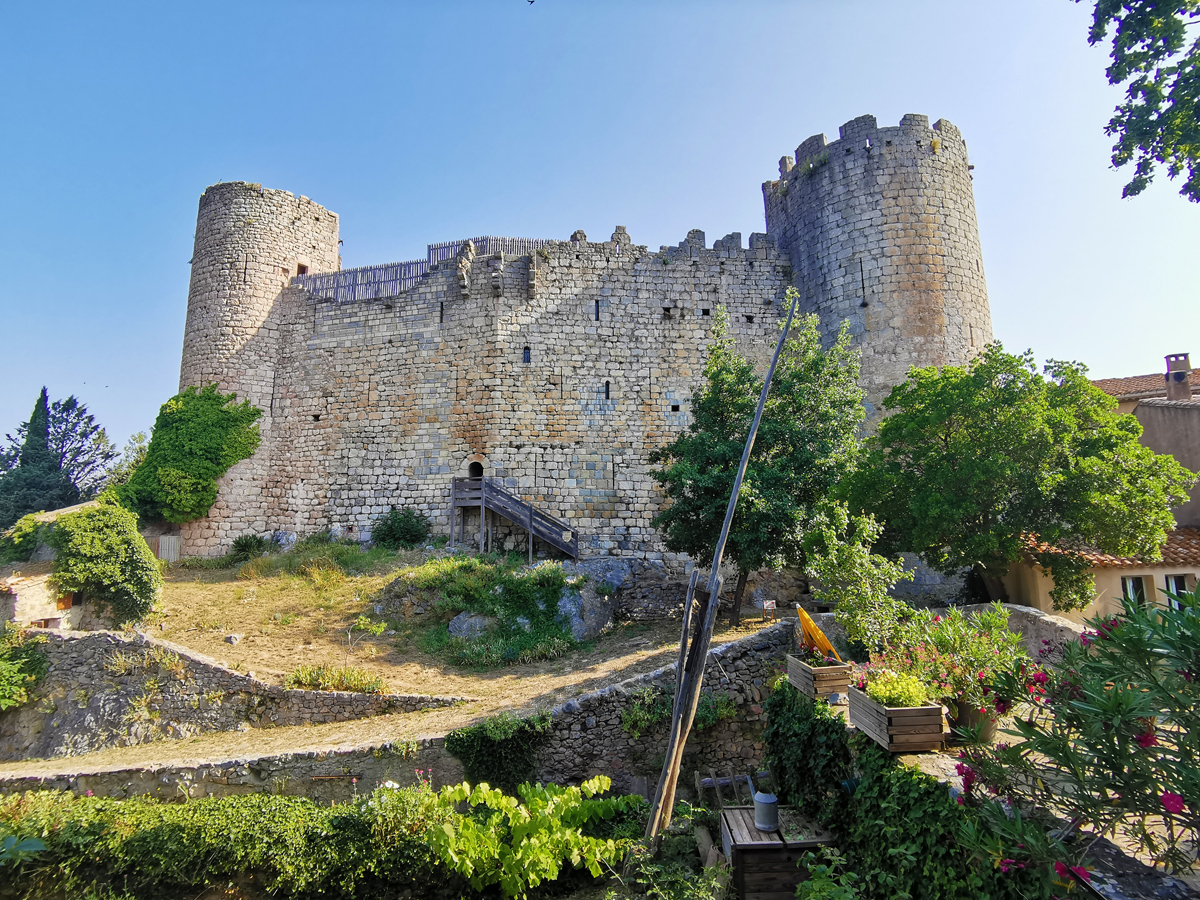
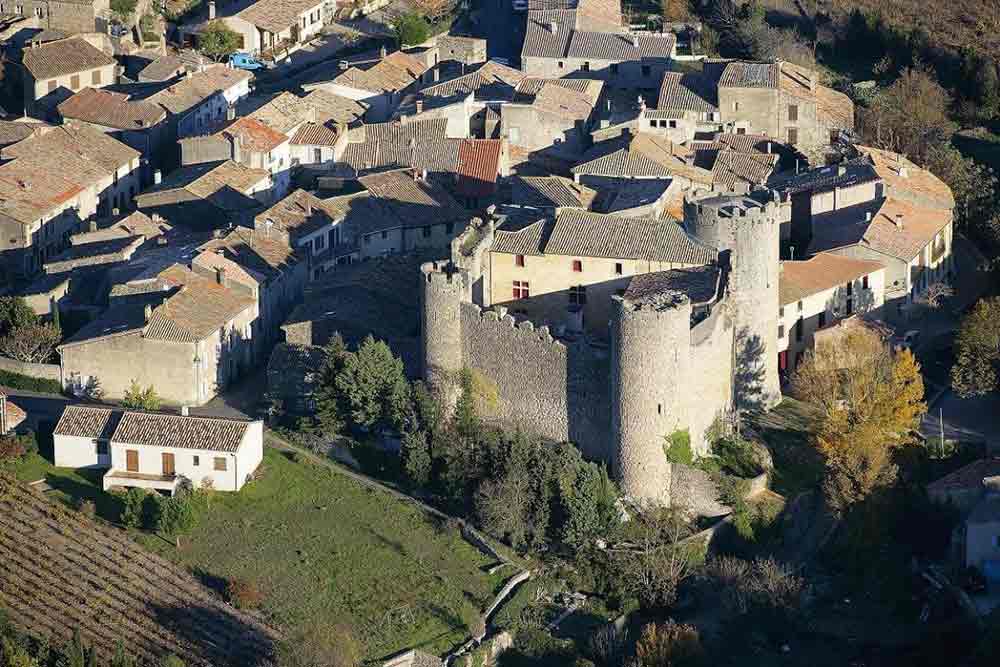
Located in the heart of the village, the imposing castle commands respect.
A little history...
The earliest historical records date back to the early 11th century.
At that time, and until the French Revolution, the powerful archbishops of Narbonne were the lords of the castle and the village.
However, the castle of Villerouge-Termenès was occupied and coveted several times.
In 1107, Pope Paschal II had to confirm Archbishop Richard's ownership of Villerouge, which had in fact been occupied since 1070 by Pierre de Peyrepertuse.
The latter gave it as a dowry to his daughter when she married Pierre Olivier de Termes.
It was not until around 1110 that the Termes family agreed to return the castle to the Archbishop of Narbonne.
However, further tensions arose between the lords of Termes and the archbishops of Narbonne.
In 1227, Pope Honorius III urged his legate to uphold the archbishop's complaints against the usurpations of the leader of the Crusade, Simon de Montfort, and his vassal Alain de Roucy, who had taken the place of the former lords of Termes.
The village is closely linked to the history of the end of Catharism.
In 1321, Guilhem Bélibaste, the last known Occitan Cathar Perfect, was burned alive there.
Guilhem Bélibaste had been initiated into Catharism until he became a Perfect in Catalonia, where he was on the run.
As only the Perfects could transmit the religion, his death signaled the end of Catharism.
The castle was classified as a historic monument in 1976.
The castle today
Completely restored, this castle is one of the finest examples of military architecture.
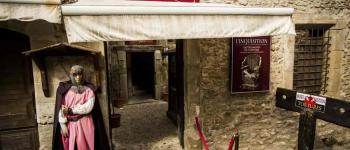
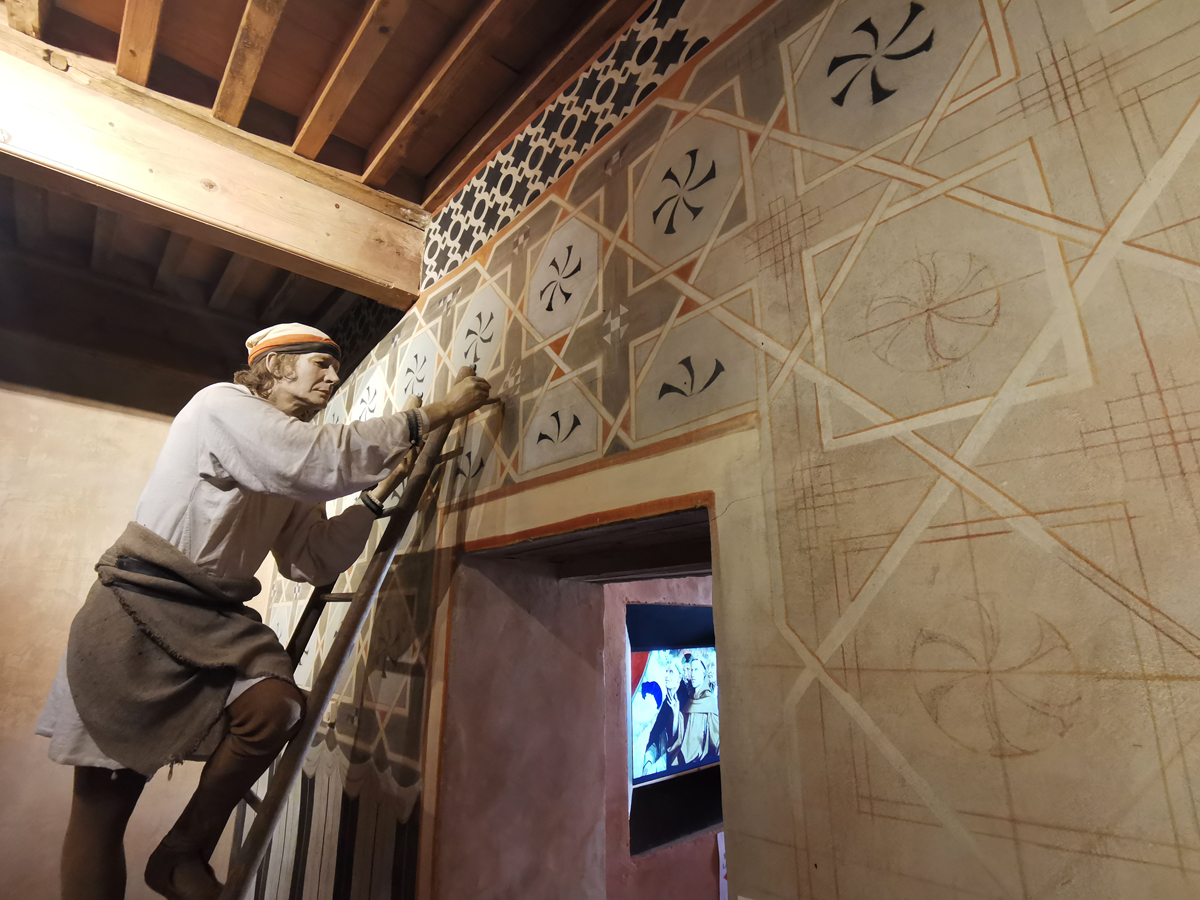
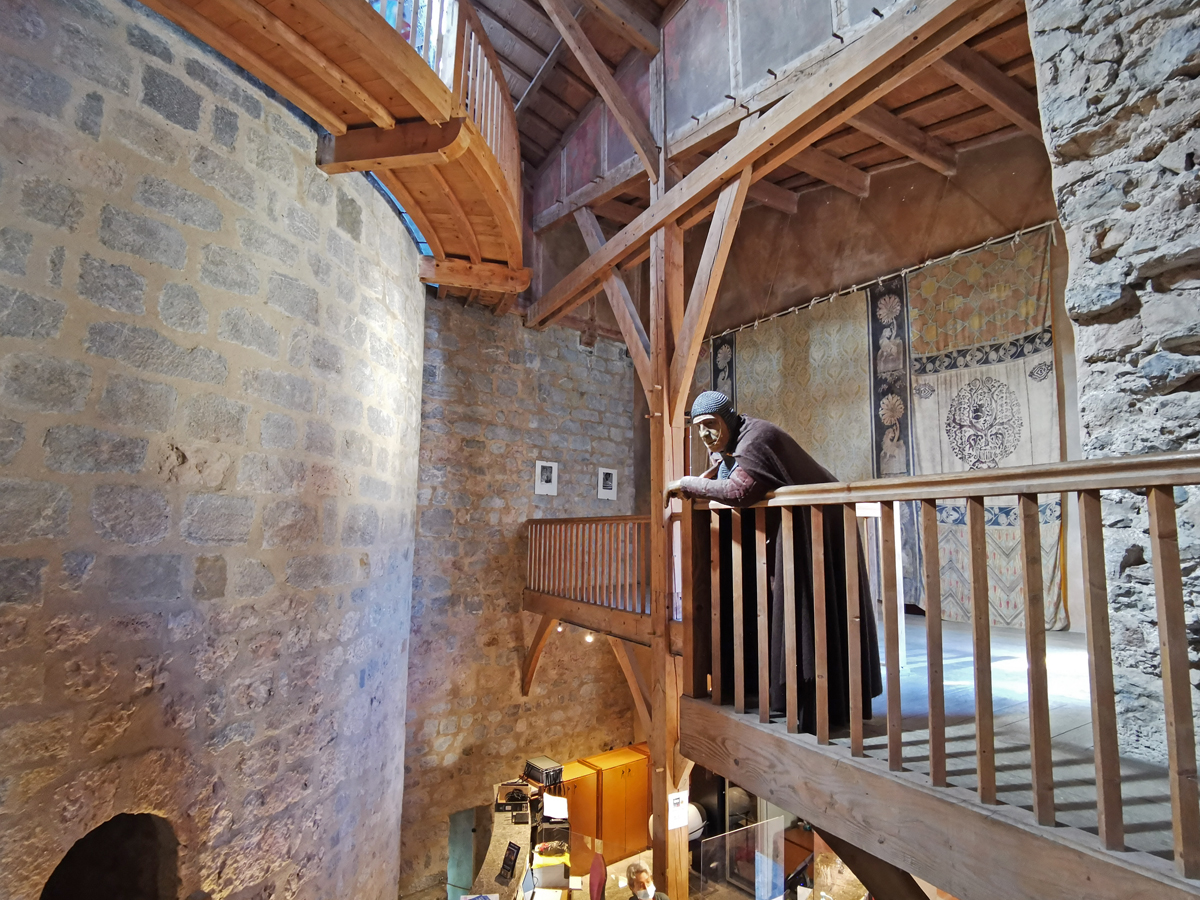
A scenographic tour, on three levels and in three languages (French, Spanish, and English), takes visitors back 700 years. Audio, video, and slide shows run alongside costumed mannequins and restored murals.
An audiovisual tour entitled “The World of Guilhem Bélibaste, the Last Perfect Cathar” is offered in the east wing of the castle and uses the parallel destinies of Bélibaste and Bernard de Farges to explain Catharism, the power of the Archbishopric of Narbonne, and daily life in the Baylie de Villerouge-Termenès.
During your visit, be sure to stop at the “Rotisserie Médiévale” in the other wing of the castle. This restaurant offers 14th-century cuisine that is unique in Europe.
Château de Villerouge-Termenès
11330 Villerouge-Termenès
Tel.: +33 (0)4 68 70 09 11
villerouge.fr
Translated with DeepL.com
(free version)