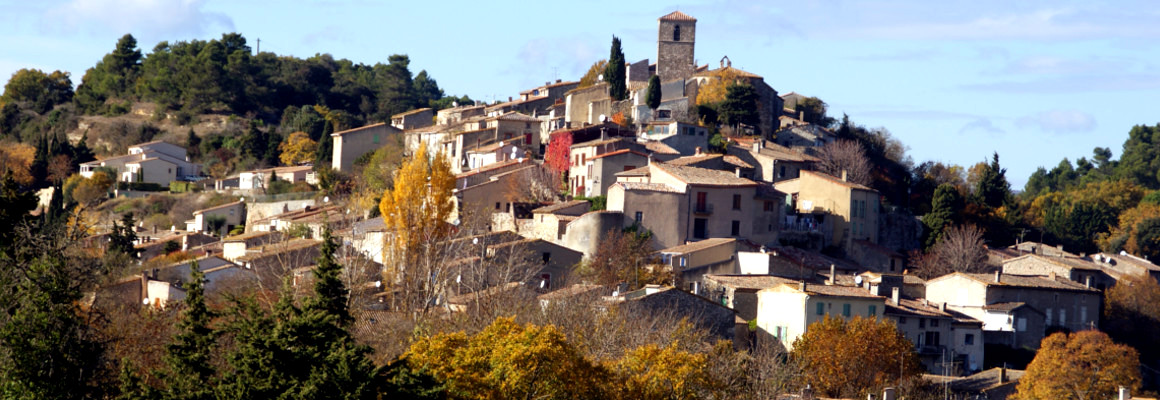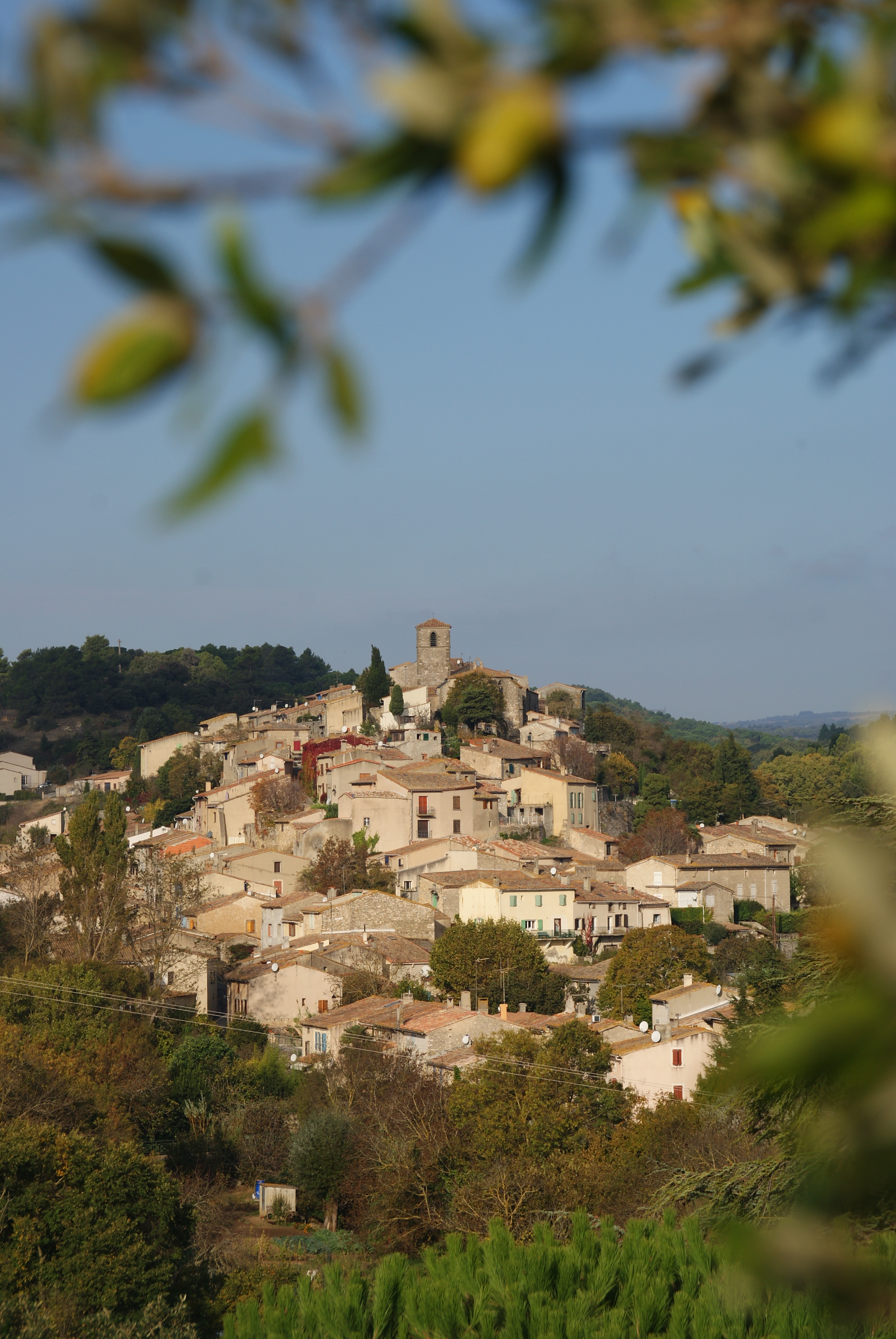



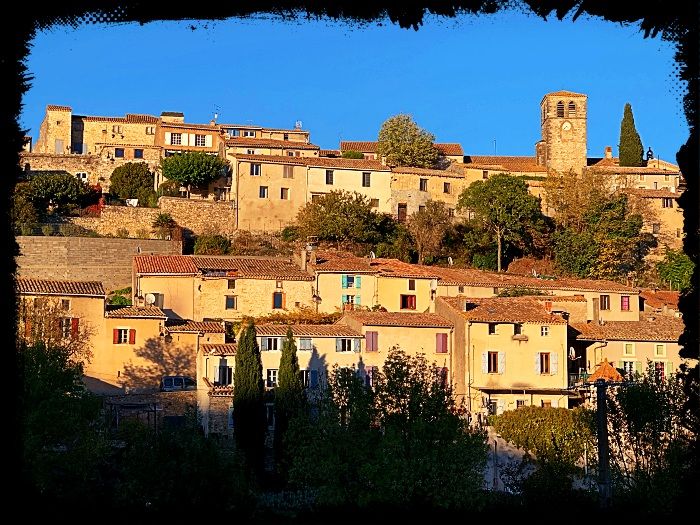
Built on a rocky spur and former seat of the Cathar bishop Bernard de Simorre, Aragon is a village classified as a protected site, whose name evokes the Spanish province of Aragon, which exercised sovereignty over the territories of Languedoc.
Close to Carcassonne, in the heart of the Cabardès vineyards, the village is home to a rich heritage.
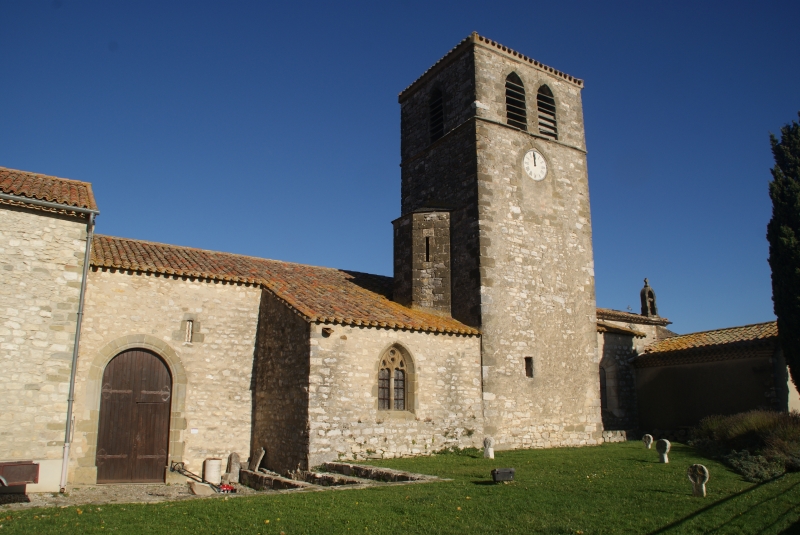
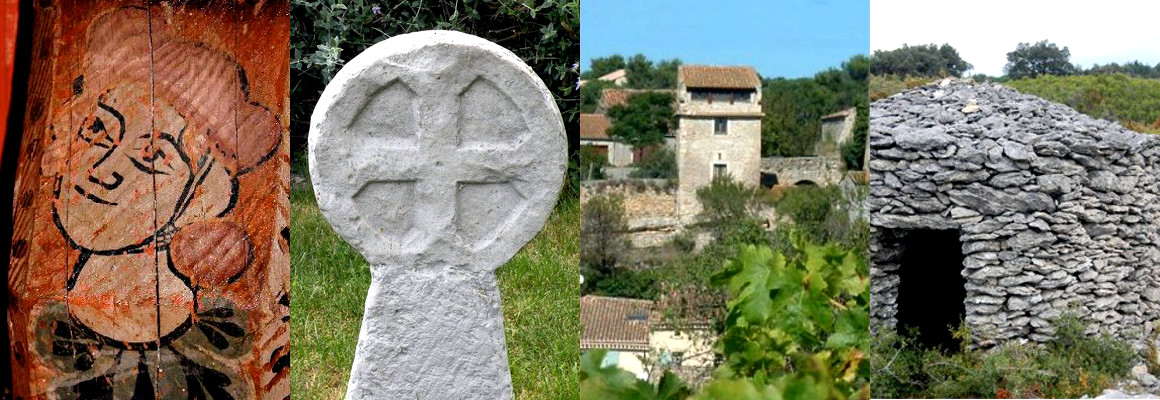
Among the things to see are the capitelles, dry stone huts, and in the village, the Gothic church with its 13th-century painted woodwork, the façade of the seigneurial castle, the museum of old wine-making tools, the Espace Pierre Sèche et Architecture Rurale (Dry Stone and Rural Architecture Center), and the disc-shaped steles in the priest's garden.
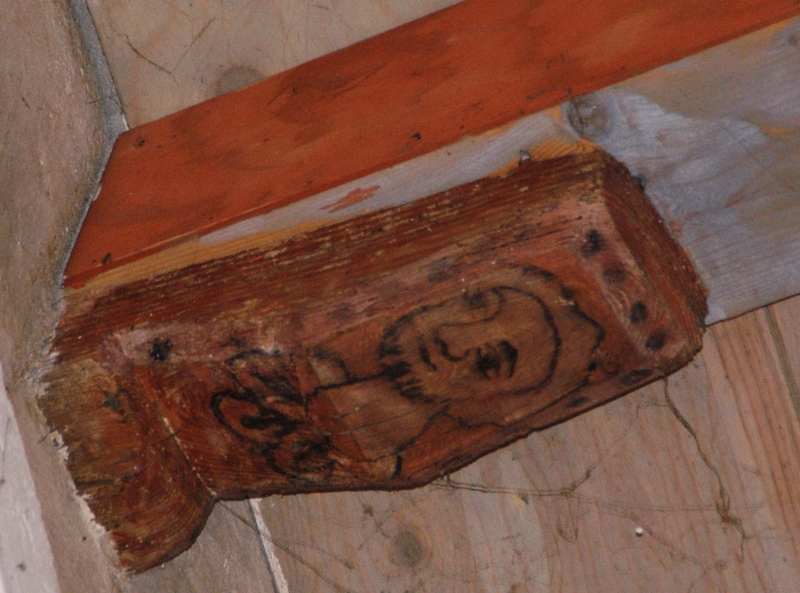
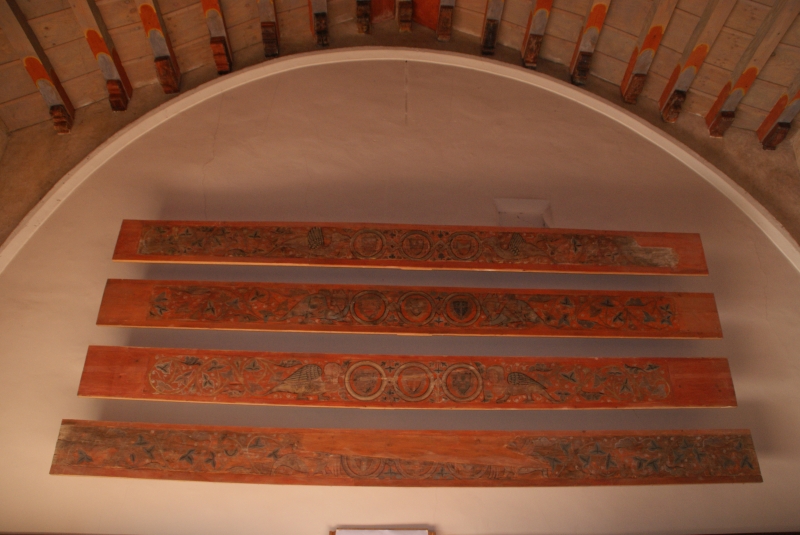
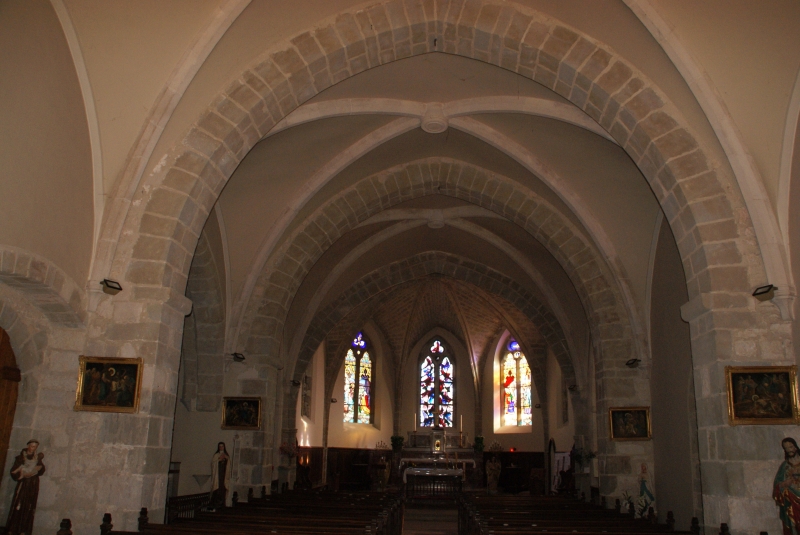
The Gothic church of Sainte-Marie, which replaced the church of Saint-Papoul, was built in 1300 at the edge of the castrum. Its framework catches the eye with its medieval representations and 14th-century coats of arms.
The Dry Stone Area was created in 1998 following joint discussions between the municipality of Aragon and the Pierre Sèche en Montagne Noire association, supported by the Fédération de la Pierre Sèche (national association). This space, one of the first of its kind in France, was inaugurated on September 1, 2002, on National Village Day.
The site consists of two areas: a covered space of nearly 60 m² showing a film about the landscapes of Aragon, and an interpretation area showcasing different examples of dry stone architecture, including terraces, walls, huts, warrens, and carretals.
The commune of Aragon has a series of eleven disc-shaped steles, probably from the old cemetery, which have been incorporated into the boundary wall. Thanks to their rediscovery by Albert Dupont a few years ago, these steles have been studied and faithful reproductions have been installed in the Hort del Riton (Priest's Garden).
Another curiosity is the medieval garden, reminiscent of the gardens of the Middle Ages (13th-14th centuries), located below Rue du Paro. It provides an appropriate backdrop to the entrance to the upper part of the village, which once formed the castrum.
It is a reproduction of what a castle, hotel, or abbey garden would have looked like, participating in both spiritual and material life.
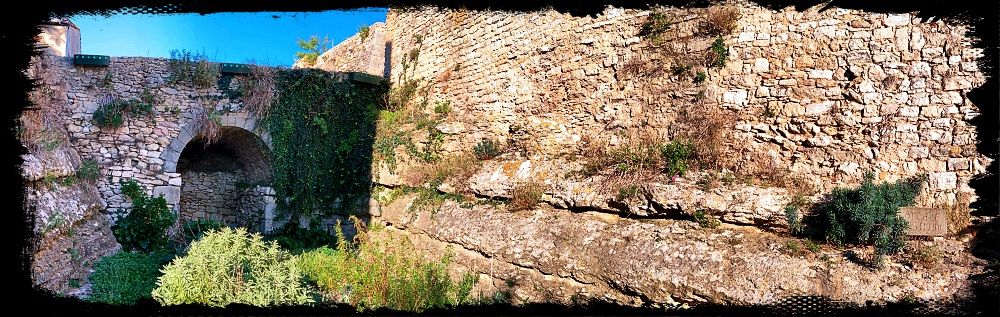
All that remains of the medieval castle is a fragment of wall, and the part adjoining the moat reminds us that the fortress stretched across the entire hilltop. The castle has been extensively remodeled, but there are still some remarkable features in the middle of the façade: the door (16th-17th centuries), framed by two columns resting on diamond-shaped chests, is surmounted by the remains of a bretèche (15th century), and the mullioned windows have been restored in modern times.
The castle is privately owned and listed in the Supplementary Inventory of Historic Monuments.
In the center of the village, on the Place de l'Abreuvoir, a stone cross decorated with historical scenes is adorned on one side with a Crucifixion and on the other with a Virgin and Child. This cross dates from the 16th century and is classified as a Historic Monument.
The old Sidobre granite watering place was restored in 1994 and recalls the days when all the animals used for working the land came to drink in the village square.
Finally, the village is home to the remains of two mills, the Moulin d'Aragon and the Moulin de Vignaure.
The village was awarded the “Notre Village Terre d'Avenir” label in 2007, which was renewed in 2012.
Aragon-en-Cabardès Town Hall
14, rue de la Mairie,
11600 Aude
Tel.: +33 (0)4 68 77 17 87
Translated with DeepL.com
(free version)