

Saint-Sulpice-La-Pointe, more commonly known as Saint-Sulpice, is one of the first Albigensian fortified towns, built between 1243 and 1247.
Formerly known as Sant Somplesi in Occitan, it is culturally and historically associated with the “Pays de Cocagne,” linked both to the cultivation of alfalfa and to the abundance of agricultural produce.
The town is also part of the Natura 2000 site “Valleys of the Tarn, Aveyron, Viaur, Agout, and Gijou” and two natural areas of ecological, faunistic, and floristic interest.
It's home to many little wonders, starting with the exceptionally well-preserved medieval Castela underground passage.
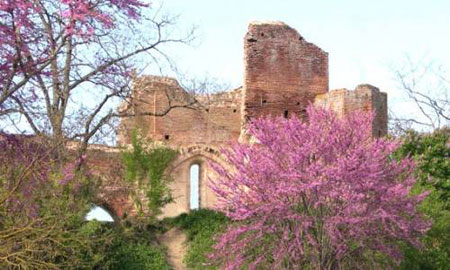
Another curiosity is the Château du Castela, built around 1240.
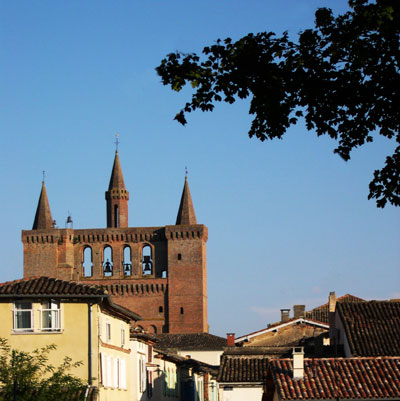
Saint-Sulpice is also worth a visit for its church, whose steeple was built under the reign of Gaston Fébus, and its suspension bridge, begun in 1848, which spans the Agoût, linking the communes of Rabastens, Coufouleux and Saint-Sulpice.
Swept away by the great flood of 1930, it was rebuilt the following year.
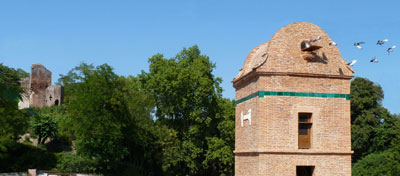
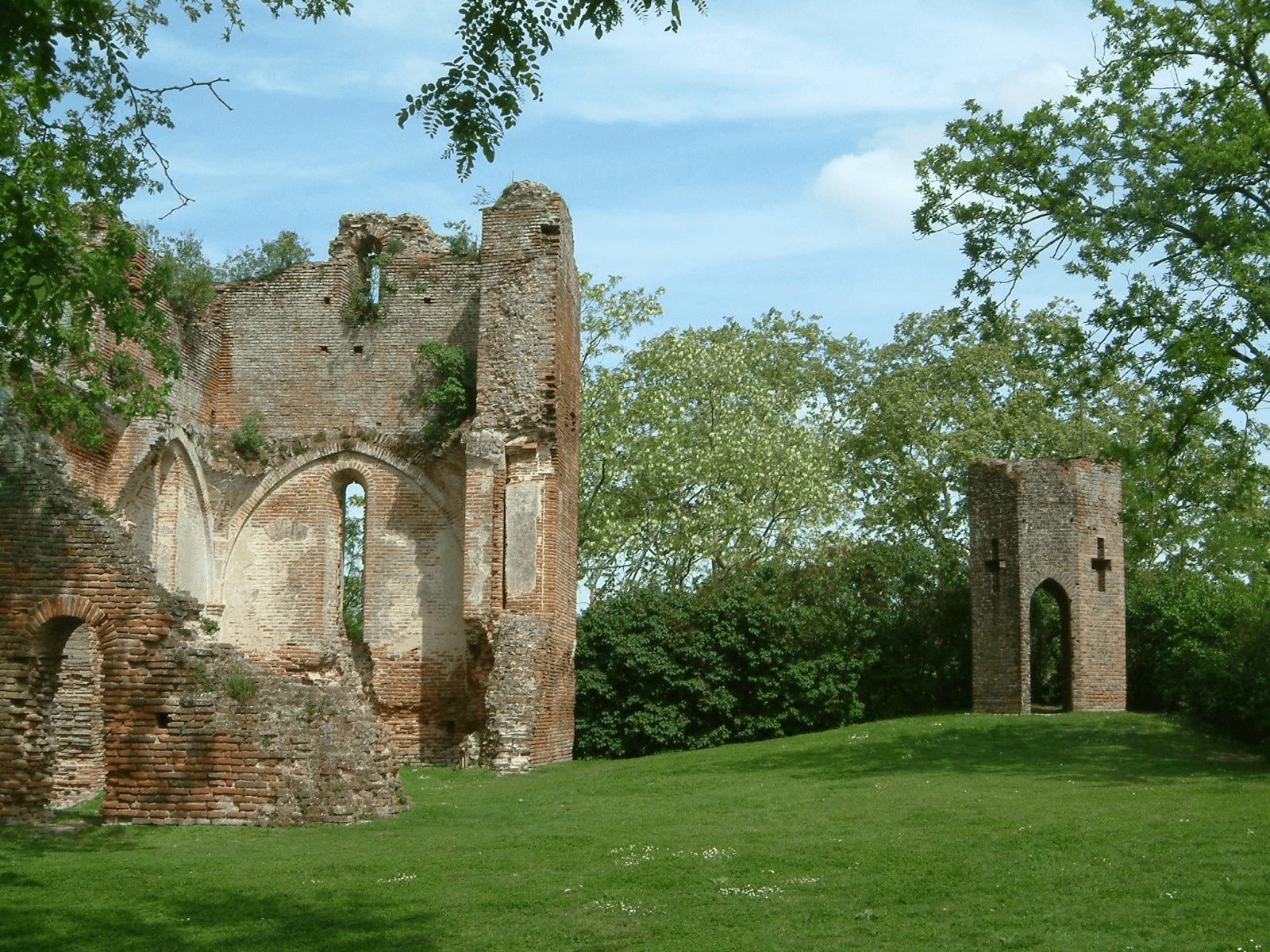
Other sights to see in the commune include the ruins of Castela, listed as a Monument Historique, the ruins of a chapel inside the fortified castle, the Pont de la Rustan, which dates back to the 100-year war, as well as the Musées du Pigeon voyageurs and the écomusée des vieux métiers, and the old town hall.
Not to be forgotten is the George Spénale Memorial, a tribute to the man who was mayor of the commune from 1965 to 1981 and 1st President of the European Parliament in 1975.
Saint-Sulpice-la-Pointe town hall
Georges Spénale Park
81370 Saint-Sulpice-la-Pointe
Tel: 05.63.40.22.00
mairie@ville-saint-sulpice-81.fr
Translated with DeepL.com
(free version)