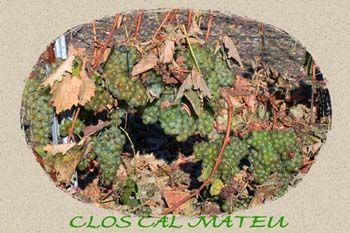
Established in 1984, the Clos El Mateu vineyard in Saint-Léocadie, at the foot of the Cerdagne foothills, is the highest in Europe.
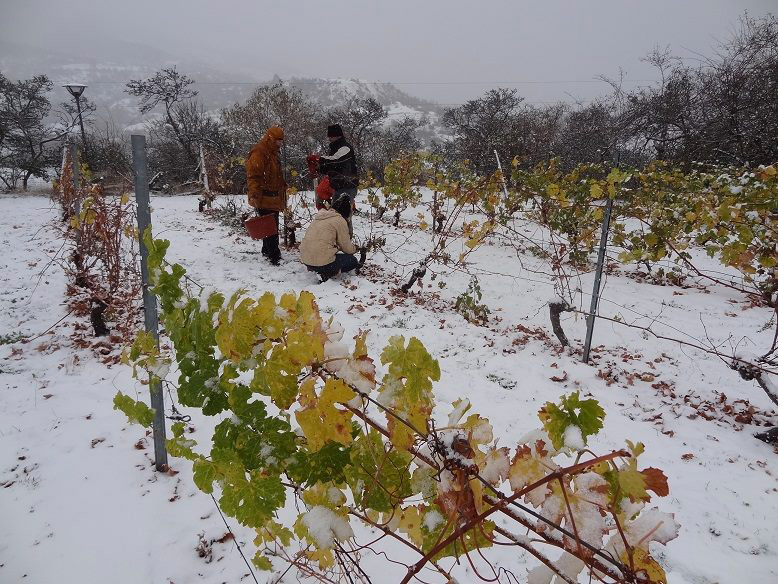
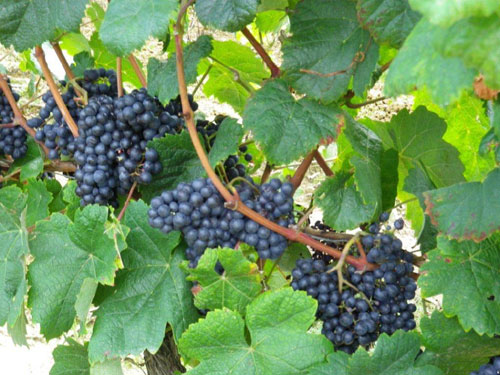
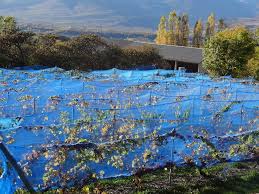
Perched on rolling hills at an altitude of 1,300 meters, it comprises 450 vines of the Muscat à petits grains, Chasselas, and Riesling varieties.
Despite harsh winter conditions, such as the severe cold of 1985 in particular, the vines weathered their first years well. Since 1991, a harvest—more or less abundant depending on the year—has made it possible to produce the now-famous Cerdagne wine “Cal Mateu.” Depending on the vintage, the harvest takes place from late October to late November.
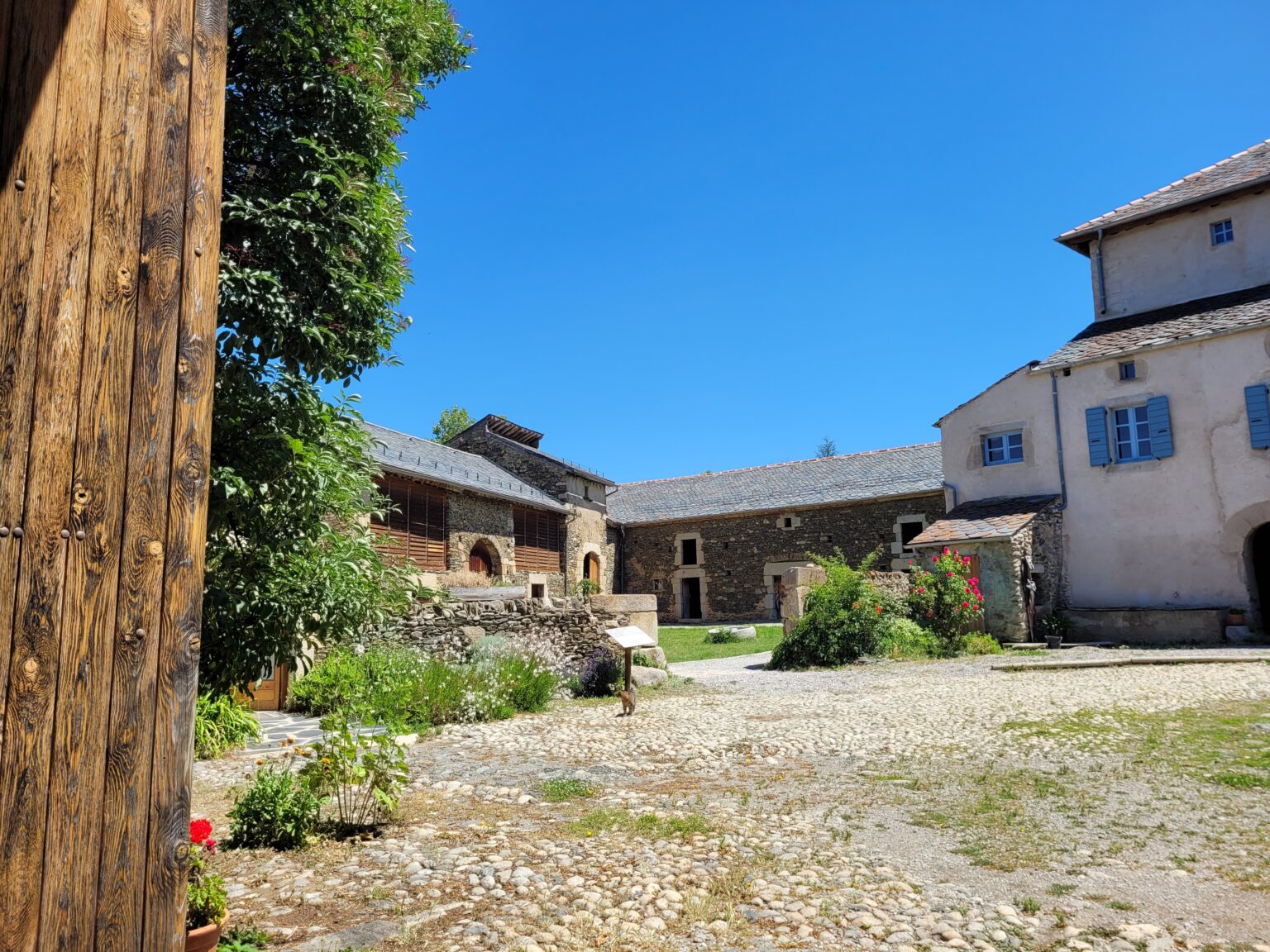
Listed as a historic monument, the Cal Mateu farmhouse is a place of historical significance that bears witness to local architecture and history.
The Museum of Cerdagne
The highest vineyard in Europe A manor house and seat of power, it belonged from 1667 until the French Revolution to the Sicart family, holders of the office of Viguier of Cerdagne, representatives of the King of France following the Treaty of the Pyrenees (1659).
A grand house born with the border, it is the place through which the history of Cerdagne’s annexation to the French state unfolds.
Cal Mateu is also a fine architectural example of the large Cerdan estates, the earliest traces of which date back to the 17th century.
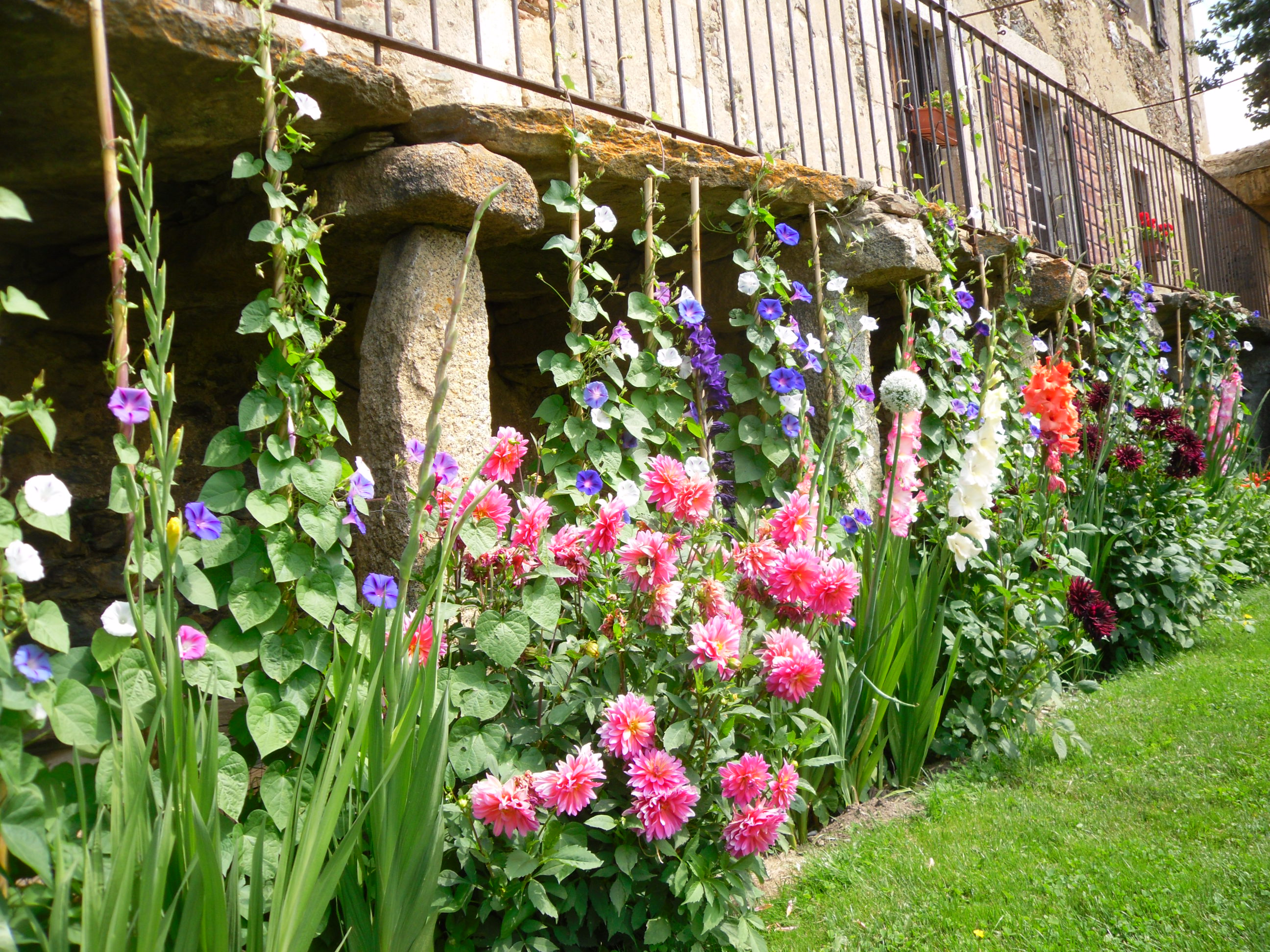
A site with dual designations (Historic Monument 1984 / Museum of France 1997), Cal Mateu-Museum of Cerdagne, with its remarkable high-altitude vegetable garden, tells the story of the estate and our region. Through its primarily agricultural collections, presented in permanent and temporary exhibitions, guided tours, cultural activities, and events, you will discover the many facets of Cerdagne, its history, its border, its riches, and its evolution over the centuries.
Cal Mateu-Museum of Cerdagne
1, avenue Cal Mateu
66800 Sainte-Léocadie
Tel.: 04 68 04 08 05
www.sainte-leocadie.fr/