
Peyriac de Mer is ideally located, close to many destinations: Narbonne, Carcassonne, Perpignan, Montpellier, beaches, the Pyrenees...
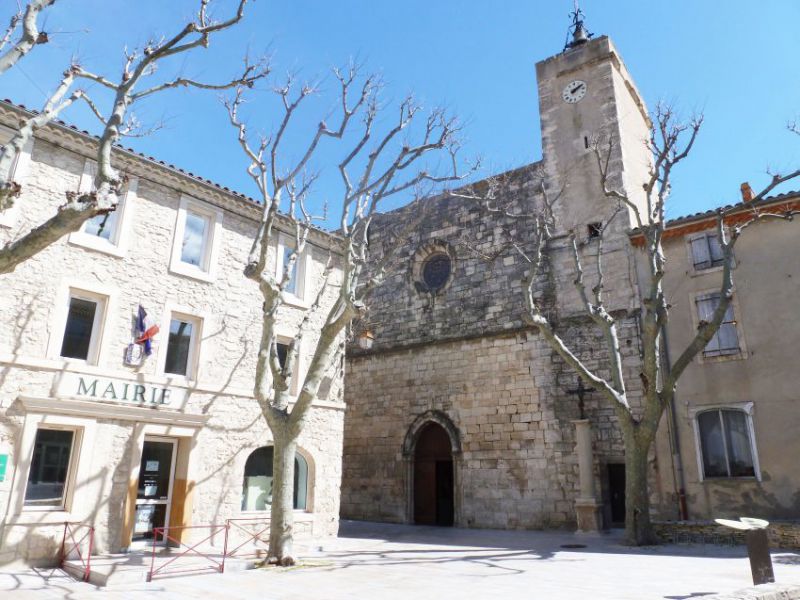
In the heart of the Narbonnaise Regional Natural Park, this Occitan village has preserved its narrow medieval streets, its typical square and its fountain in the shade of plane trees.
Wine growing, fishing, and salt production have had a profound impact on the village's history.
The development of reasonable, small-scale tourism has encouraged new residents from a wide variety of backgrounds to move here.
Since ancient times, the site of Peyriac de Mer has been ideal for salt production.
This was discontinued in 1967, as it was no longer economically viable.
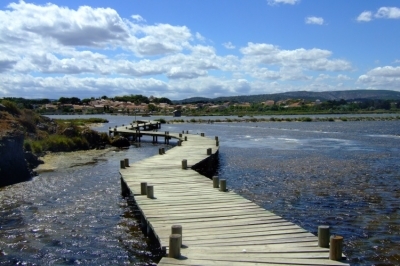
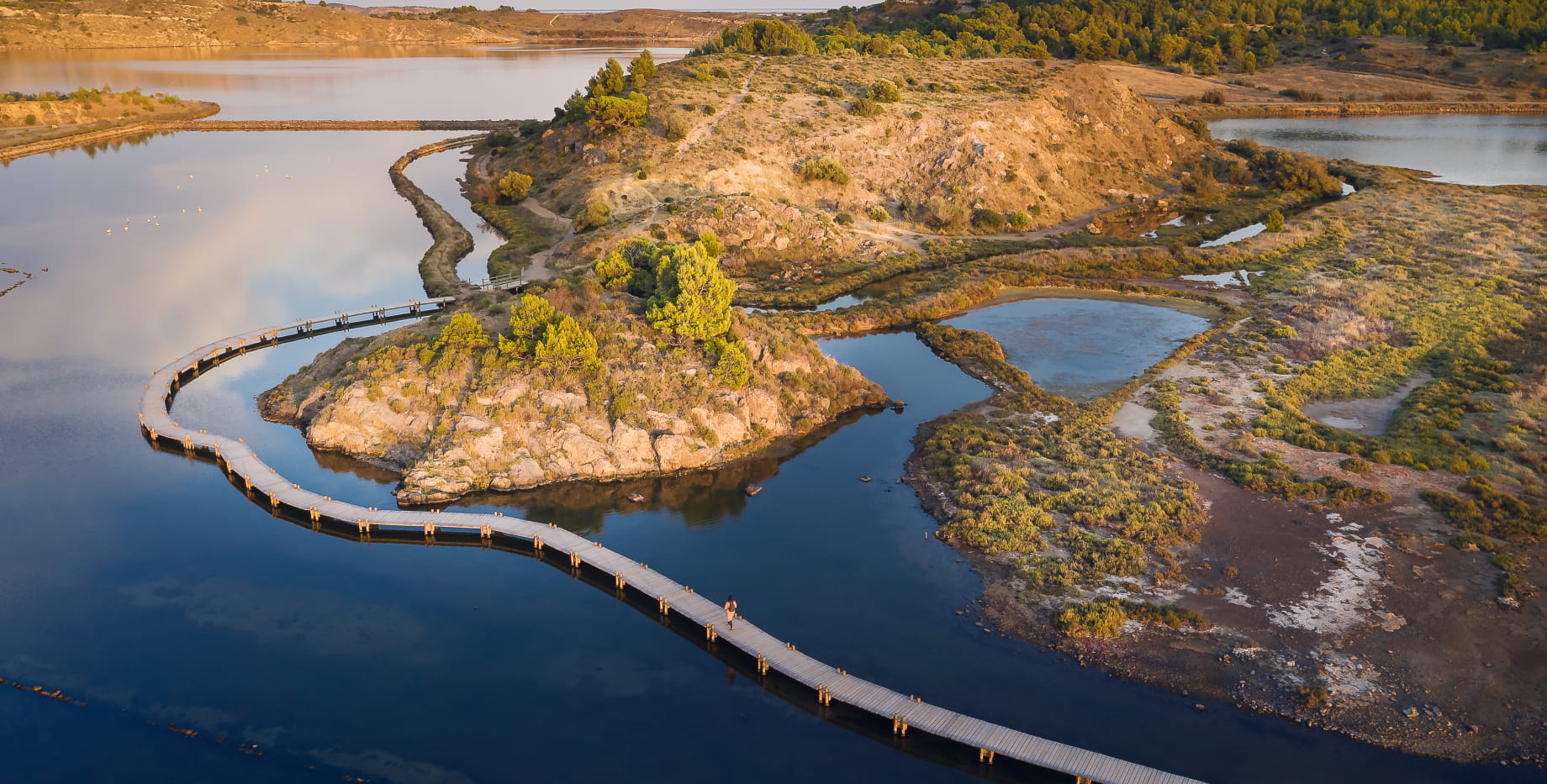
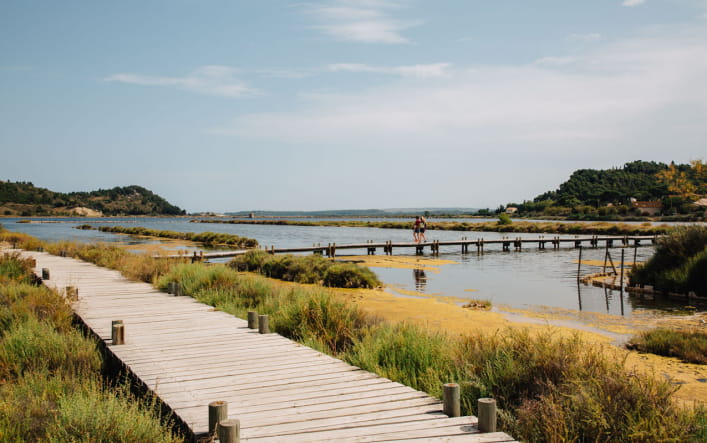
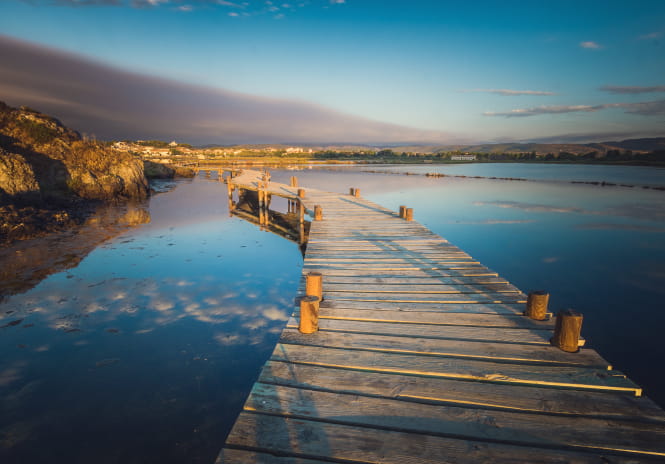
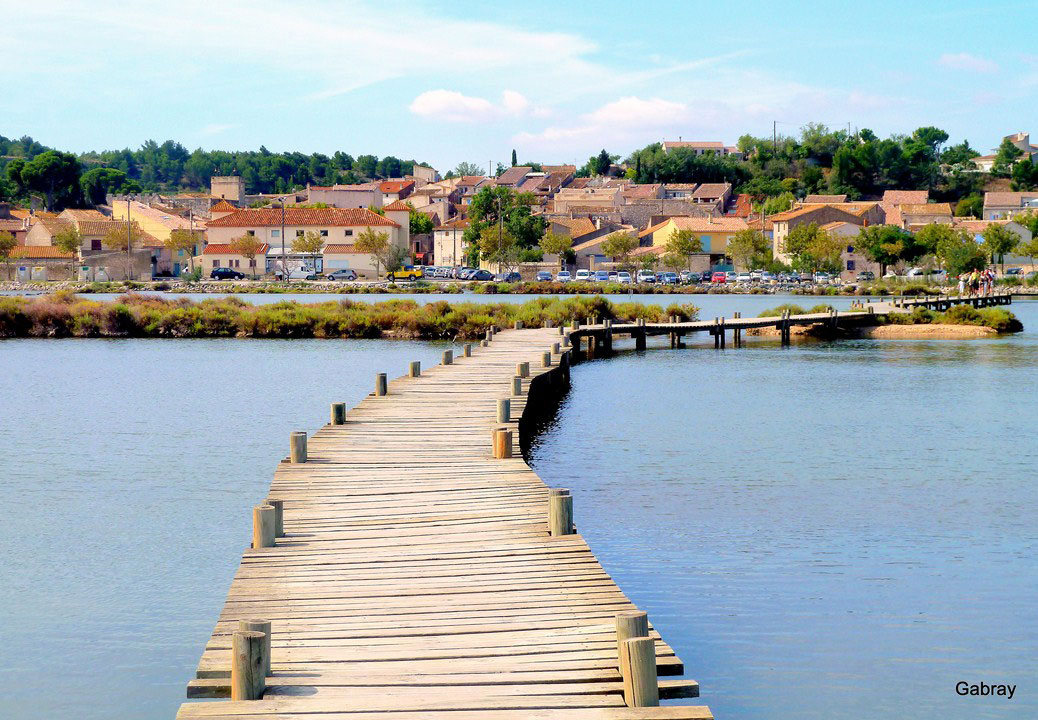
A walk of about 2 km allows you to discover the salt marsh thanks to the boardwalk on stilts leading to the Doul. You can then return to the village via the “passière,” a 15th-century masonry structure that protected the salt marsh from the rising waters of the lake.
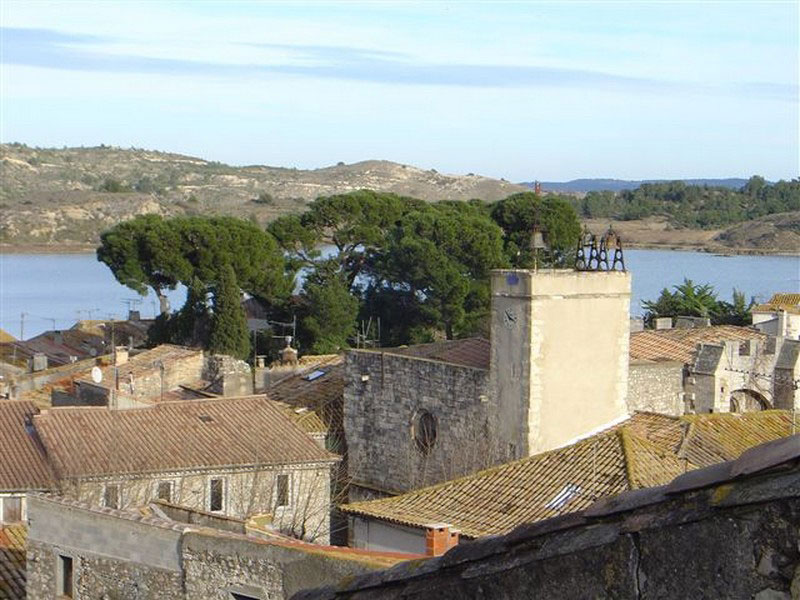
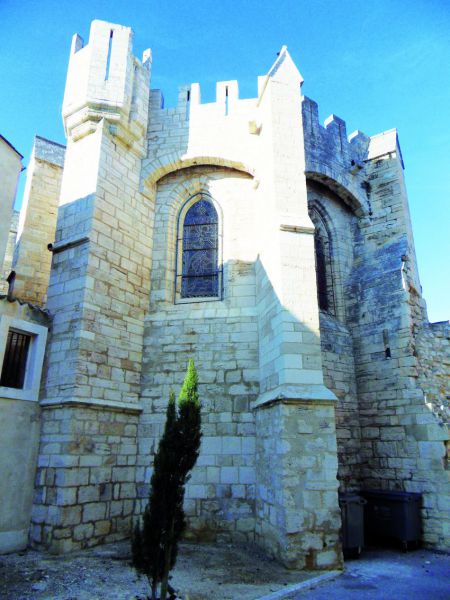
Also worth seeing in Peyriac is the 16th-century fortified church, which houses a polychrome Virgin and Child, three paintings by the Carcassonne painter Jacques Gamelin (1793–1803) and a listed 19th-century Baroque organ.
Walking around the church, you will see the flying buttresses that span the Rue de l'Eglise and extend into the houses, then a watchtower visible from the small square. On the Rue de l'Etang side, the church disappears completely, embedded in the houses. The bell tower supports three bells suspended from a wrought iron frame.
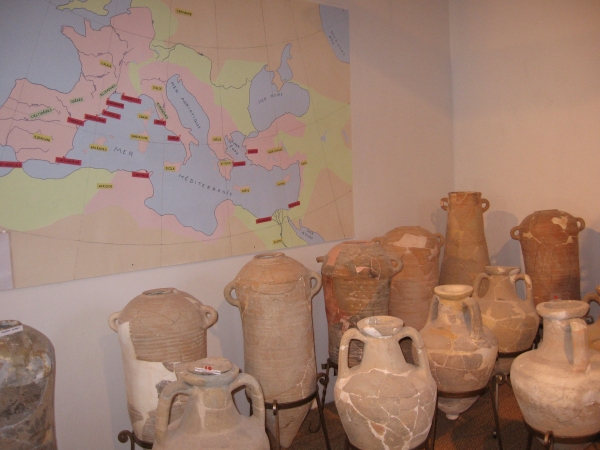
Also worth seeing is the Peyriac Archaeological Museum, which traces the history of Peyriac-de-Mer from prehistory to the Roman period.
A few kilometers from the village is the Sigean African Reserve, one of the most visited sites in the Aude department.
Peyriac Town Hall
2, place de la Mairie
11440 Peyriac de Mer
Tel.: +33 (0)4 68 42 68 42
mairie.peyriacdemer@wanadoo.fr
Translated with DeepL
.com (free version)