

The Pinouse Mine has been selected to receive funding from Stéphane Bern’s Heritage Lottery.
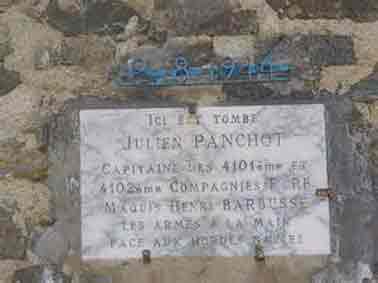
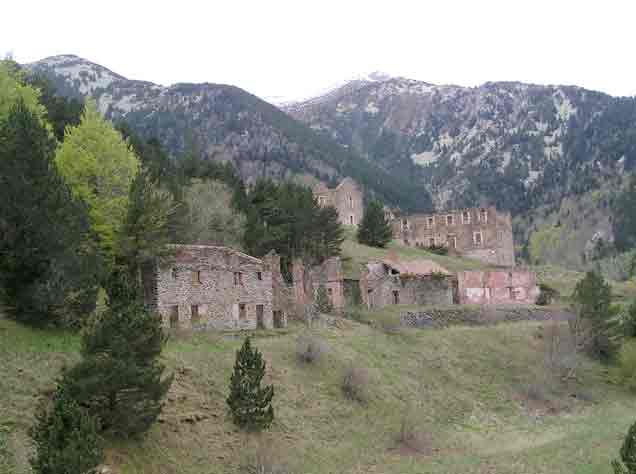
Steeped in history in two ways, the site was once an industrial complex, but it was also in this now-ghost village that Resistance fighter Julien Panchot was killed in 1944.
The mine was in operation until 1931 and served as a rallying point for the Conflent maquis during World War II.
The Pinouse Mine is located at an elevation of 1,360 meters, covering 4 hectares within the municipality of Valmanya.
The former iron mine, known since ancient times, is located in the Canigou massif.
It was primarily mined for its ore between 1904 and 1931.
During the industrial era, about a hundred miners extracted approximately 40,000 metric tons of ore per year.
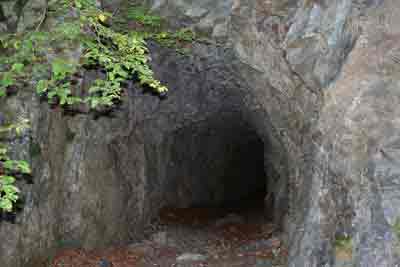
The mine consists of both open-pit and underground sections, reaching 170 meters below ground.
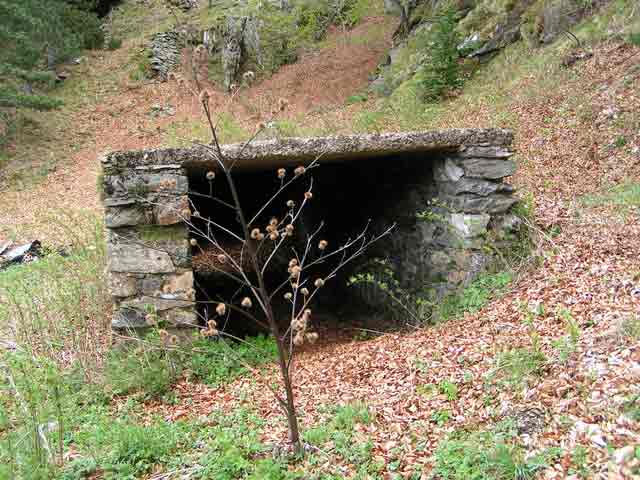
At the time, the mining site comprised various structures: hoppers, furnaces, all connected by a dedicated railway line.
The Pinouse mining site is the best known of a group of mines that operated in the early 20th century.
A Rallying Point for the Resistance Fighters
Its tunnels are also steeped in history, as they served as a rallying point for the Conflent resistance fighters during World War II.
For a long time, the Germans searched for the resistance fighters on the slopes of Mount Canigou without finding them.
In 1944, they carried out a daring raid in Prades.
The Germans sent a punitive column to Valmanya, which was destroyed, and then pursued the fleeing resistance fighters as far as the “Pinosa” mines.
The resistance group was dismantled that day.
You need to be a good hiker to reach the site
Pinouse Mine
66320 Valmanya
Translated with DeepL.com
(free version)